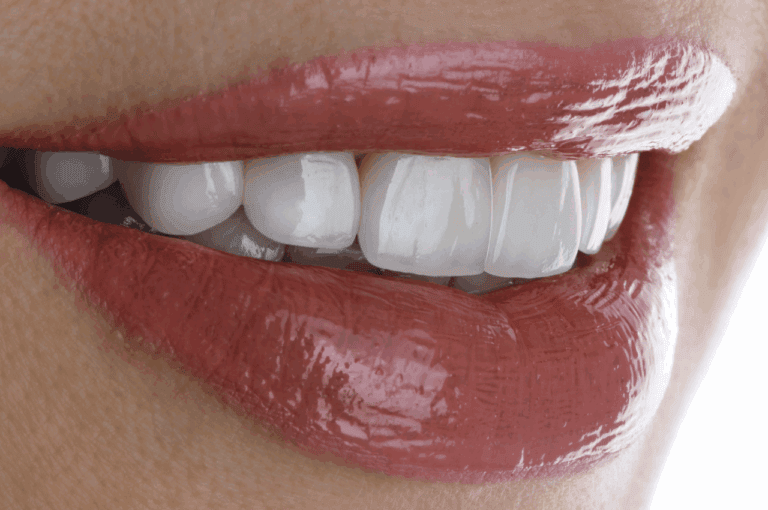
At Long Island Veneers, we regularly meet patients who want to know whether cosmetic veneers truly deliver on their promise and if the investment makes sense for their unique needs.
There are plenty of factors to weigh before deciding on veneers, from the potential for dramatic improvements to the cost, process, and what you can expect for long-term results. To help you make an informed decision, we have organized everything you need to know about whether veneers are really worth it.
Key Takeaways
Understanding Veneers and Their Purpose
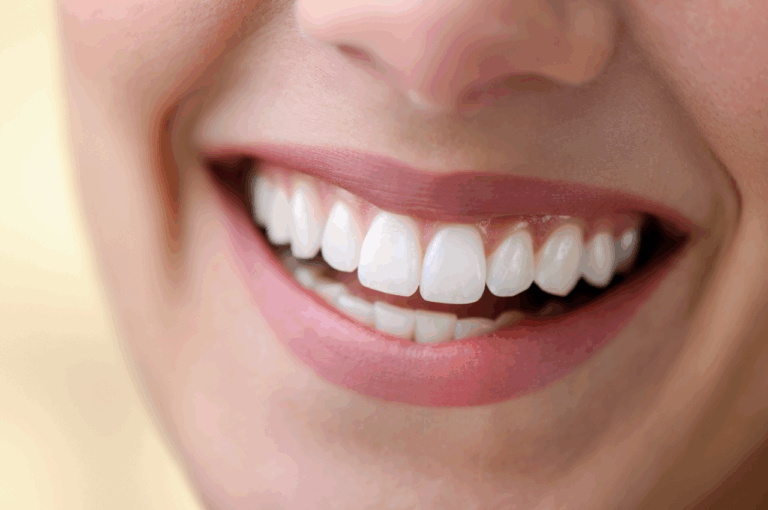
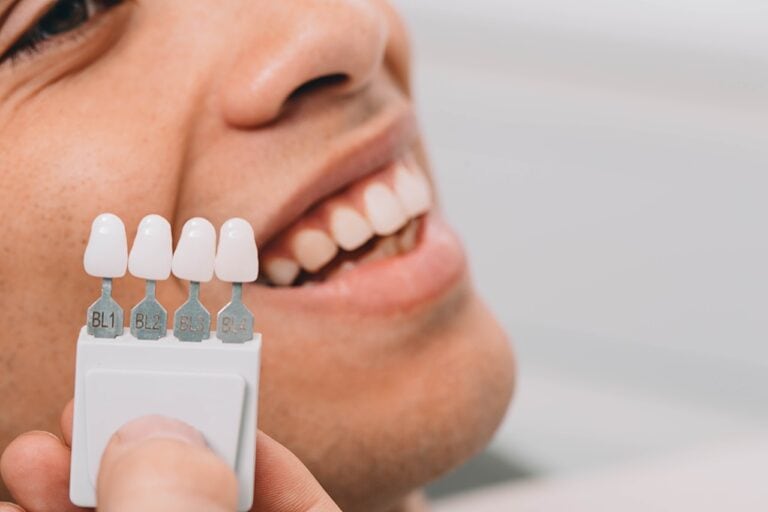
You may wonder what veneers are and why so many people choose them for their smiles. Veneers are custom-made porcelain or resin thin covers that fit onto the front surfaces of your teeth.
They do not repair significant tooth damage or decay, but instead focus on enhancing aesthetics. Veneers provide a solution for people who want to improve the color, shape, length, or spacing of their teeth with results that look completely natural.
What Problems Do Veneers Address?
People choose veneers for many different reasons, as they address a wide range of cosmetic dental issues. These commonly include:
- Teeth discoloration that does not respond to traditional whitening
- Small chips, cracks, or uneven edges
- Mild to moderate gaps or spacing
- Slight misalignment or crookedness
- Worn-down teeth or teeth that seem “short”
- Misshapen teeth with disproportional sizing
Sometimes patients have more than one of these concerns and appreciate that veneers can fix several problems at the same time.
A consultation with a cosmetic dentist at our practice in Long Island can help determine if your specific issues align well with what veneers can address.
Smile Makeover Versus Other Cosmetic Treatments
Veneers are not the only option available. Teeth whitening, dental bonding, and orthodontics all play a role in cosmetic dentistry.
However, veneers remain one of the most comprehensive and immediate ways to completely overhaul a smile’s appearance. This can be especially valuable for patients seeking a full-mouth transformation rather than a single tooth fix.
While other treatments may target only one concern at a time, veneers have the power to address multiple imperfections simultaneously, which makes them a top choice for many.
The Veneer Procedure: What to Expect
When you decide to pursue veneers, knowing each step of the veneer procedure ahead of time prepares you for a smooth experience. The standard process focuses on achieving natural, comfortable, and long-lasting results.
Steps Involved in Getting Veneers
Veneer treatment is not a one-day process, but the timeline is often shorter than many people expect. Here is a typical sequence of appointments for veneers at Long Island Veneers:
- Initial Consultation: The dentist evaluates your oral health, takes digital images, and discusses what you hope to achieve. You can ask questions and see before-and-after images of other patients.
- Preparation of the Teeth: A very small amount of enamel is removed from the teeth that will get veneers. Local numbing ensures comfort, and this step allows the veneers to sit flush without adding bulk.
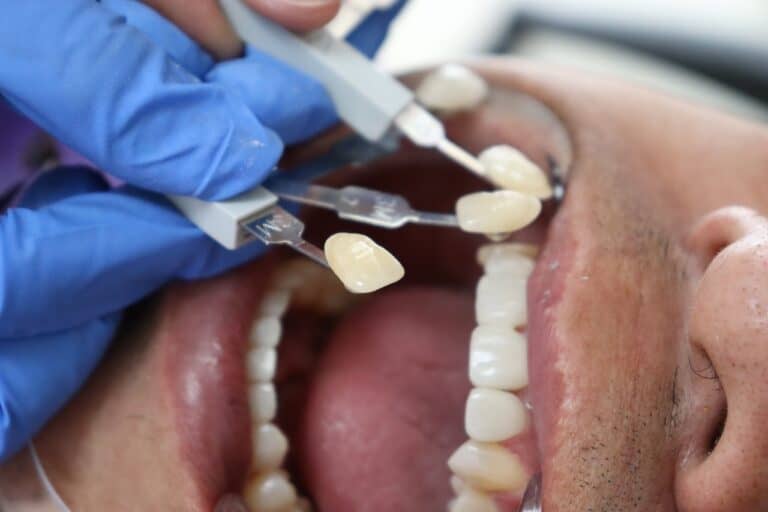
- Impressions and Temporary Veneers: The team takes impressions of your prepared teeth to create precise, custom veneers. Temporary veneers may be placed for protection and to preview the look.
- Final Placement: After about one to two weeks, your permanent veneers arrive from the dental laboratory. The dentist checks fit and shade, then bonds each veneer securely in place.
These steps provide a reliable, repeatable approach that leads to aesthetically pleasing outcomes for most patients.
Is the Procedure Painful?
You should not worry about pain during veneer treatment. Numbing ensures you remain comfortable while the dentist prepares your teeth.
Some patients notice mild soreness or temperature sensitivity afterward, but these symptoms resolve quickly for most people. Minor jaw or gum tenderness is not uncommon and usually fades within a few days.
How Long Does the Process Take?
Veneers take less time compared to orthodontics or multi-stage restorative treatments and typically require just two or three visits.
From initial consultation to final placement, most patients complete the process within two to three weeks. Complex cases or those involving more than 6 to 8 teeth may sometimes take slightly longer.
Who Is a Good Candidate for Veneers?
You may feel excited about veneers, but it is important to remember that they do not work for everyone. Good candidacy involves a careful evaluation that helps ensure successful, lasting results.
Health Requirements and Limitations
For veneers to work, your teeth and gums must be healthy. Active gum disease, untreated cavities, or weakened tooth structure will need to be addressed first.
Patients with very thin enamel may not have enough natural tooth left to support a veneer. In these rare cases, another treatment may be recommended.
Teeth that are severely misaligned or have major bite issues might require orthodontics before veneers can be considered.
Habits and Lifestyle Factors
Certain habits can make veneers a less-than-ideal choice. These include:
- Bruxism: Frequent tooth grinding or clenching can stress veneers and shorten their lifespan.
- Nail Biting or Chewing Hard Objects: These actions can chip or dislodge veneers, especially in the early days after placement.
- Poor Oral Hygiene: Skipping dental checkups or regular brushing increases the risk of gum disease, which can compromise veneers.
If you practice any of these habits, discuss them with your dentist before proceeding. You may still qualify for veneers but could need additional preventive measures or mouthguards.
Age Considerations
Most dental practices do not place veneers on teens or young adults, as teeth and gums are still developing. This also helps ensure that the final results last longer and fit naturally over time. Patients in their twenties or older typically see the best and most predictable outcomes from veneer treatment.
Benefits of Veneers
Veneers offer several unique benefits that set them apart from other cosmetic treatments. Many patients notice a dramatic improvement not just in appearance, but also in how they feel about smiling.
List of Advantages
When weighing your decision, consider the following key benefits that veneers offer:
- Immediate Results: You will see a transformation after just a few appointments instead of waiting months or years.
- Customizability: Each veneer is shaped and shaded to harmonize with your facial features, personal preferences, and existing teeth.
- Stain Resistance: Porcelain veneers resist most food and drink stains much better than natural tooth enamel.
- Natural Appearance: Modern materials look nearly identical to real teeth, so results blend smoothly with your smile.
- Minimal Invasiveness: Veneers require less tooth reduction than traditional crowns and preserve more natural structure.
Patients often report a powerful increase in confidence since they no longer feel the need to hide their teeth when they talk or laugh.
Many families in Long Island have found that veneers are a worthwhile investment because of their life-changing effect on self-esteem.
Even with these clear advantages, it is still important to weigh the potential drawbacks and responsibilities that come with veneers.
Drawbacks and Considerations: Is There a Downside?
No cosmetic procedure is completely free of trade-offs, and veneers require some thoughtful consideration. Your dental team at Long Island Veneers will help you understand every risk and responsibility, so you know exactly what to expect.
Irreversible Enamel Removal
One major factor to keep in mind involves the removal of a thin layer of natural enamel. This step cannot be undone.
Once enamel is lost, you will always need a veneer or another restoration to cover the treated teeth. This is a lifelong commitment and must not be taken lightly.
Potential for Replacement
Veneers are durable, but they are not truly permanent. Over time, they can chip, crack, or detach, especially with heavy use.
Most patients find that veneers last between 10 and 15 years. When a veneer wears out or becomes damaged, you will need a replacement.
Sensitivity and Maintenance
Some people experience mild temperature sensitivity right after treatment, although this usually fades another few days later.
Veneers do require good hygiene practices. While they cannot develop cavities, the underlying tooth still can, and gum health is just as important as ever.
Patients will need to avoid chewing ice, biting their nails, or using teeth as tools, as these habits can jeopardize veneers.
Cost of Veneers: Breaking Down the Investment
The price of veneers is often the biggest concern for people considering this treatment. As with many cosmetic enhancements, you need to weigh cost versus value.
Factors That Affect Cost
Several specific factors determine how much you will pay for veneers in Long Island or elsewhere. Understanding each of these can help you anticipate your total investment and plan accordingly:
- Material Choice: Porcelain veneers generally cost more than resin composites due to their longevity and realism.
- Number of Teeth: Treating more teeth increases the total price. Many people choose to cover only the front 6 to 8 teeth for a natural smile line.
- Dentist’s Skill: An experienced cosmetic dentist who uses top-quality materials often charges more for predictable, lifelike results.
- Geographic Location: Cosmetic dental prices can vary depending on the region, with practices in large urban areas or desirable locations tending to charge slightly more.
- Additional Procedures: Some patients need gum contouring or minor orthodontics before veneers, which can add to the total cost.
While veneers often represent a significant upfront investment, many patients feel the stunning results and renewed confidence are well worth the expense.
Your dentist can provide an individualized quote at your consultation, along with information on potential financing or payment plans.
Are Veneers Covered by Insurance?
Since veneers are a cosmetic procedure, dental insurance rarely covers their cost. In rare cases involving trauma or congenital defects, partial coverage may be available.
We encourage patients at Long Island Veneers to verify their personal insurance benefits and ask our team about monthly payment options.
Longevity and Care: How to Make Veneers Last
Veneers do not require special tools or elaborate routines, but specific steps can help ensure your new smile lasts as long as possible.
Daily Maintenance Recommendations
Proper care is simple but essential for veneers. Brushing twice a day and flossing daily remain the best habits.
Use a non-abrasive toothpaste to avoid scratching the surface of your veneers. Schedule regular checkups every six months, so your dentist can check for chips, cracks, or changes.
While veneers resist stains from coffee, tea, and red wine better than natural teeth, limiting these foods can help preserve brightness. Smoking stains even porcelain veneers over time, so eliminating tobacco is ideal.
Foods and Habits to Avoid
A few specific habits can damage your veneers or shorten their lifespan. Most of these are preventable with a few lifestyle tweaks.
Avoid biting hard foods like ice, popcorn kernels, or hard candies with your veneered teeth. Skip using your teeth to open packaging or bite fingernails.
If you grind or clench your teeth at night, ask your dentist about a protective night guard to safeguard your new smile.
With these steps, you can expect your veneers to last well over a decade while still looking their best.
Comparing Veneers to Other Cosmetic Treatments
It is natural to wonder whether veneers are the best solution or whether other options might make more sense.
How Veneers Stand Out
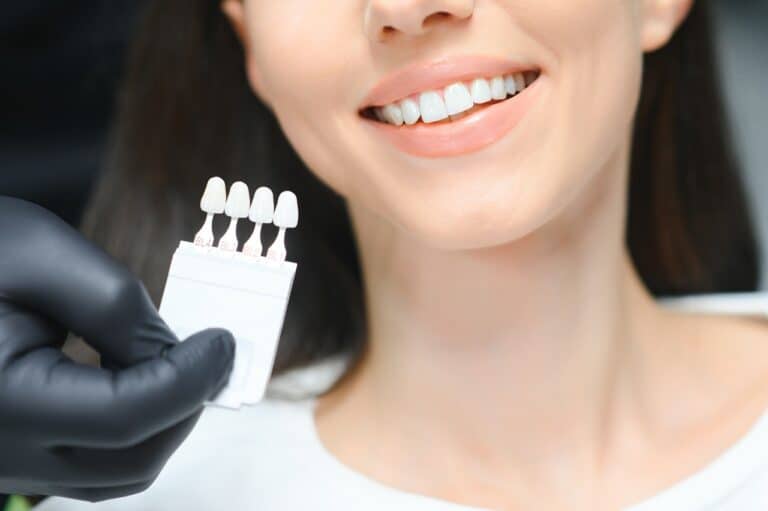
Veneers offer a unique mix of speed, versatility, and transformative impact that sets them apart from whitening, bonding, or braces.
Teeth whitening changes only color, while dental bonding handles small chips or minor spacing. Orthodontics addresses alignment but requires a longer commitment.
Veneers can typically transform the color, shape, and alignment of teeth in one step, saving time for those who want a dramatic change fast.
When Alternatives May Be Better
In some situations, patients might benefit more from other dental treatments. For example, people with major bite problems or extensive tooth decay often need orthodontics or crowns before considering veneers.
If your concerns are limited to a single chip or stain on one tooth, dental bonding may offer a less costly option with minimal commitment.
During a consultation at Long Island Veneers, we will help you compare your options, ensuring you feel confident about your decision.
Are Veneers Worth It for You? Guidance for Your Decision
Choosing veneers is a personal decision that depends on your goals, needs, and lifestyle. For many people, the boost in self-confidence and improved smile make veneers a worthwhile investment.
If you seek immediate, comprehensive cosmetic improvement, want natural-looking results, and are ready for some lifelong maintenance, veneers may be exactly what you need.
We encourage you to reach out to our office to schedule a consultation. Together, we can discuss your concerns, analyze your smile, and help you understand what to expect from the process. At Long Island Veneers, our team believes every patient deserves to smile with confidence, and we welcome questions no matter where you are in your decision-making process.
If you live in or near Long Island and are curious about whether veneers are right for you, contact Long Island Veneers to arrange a personalized evaluation. Our experienced team looks forward to helping you achieve the beautiful, lasting smile you deserve.