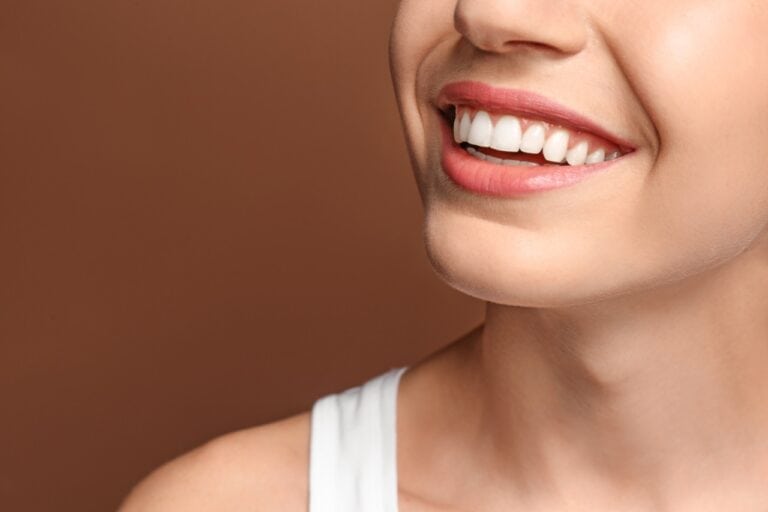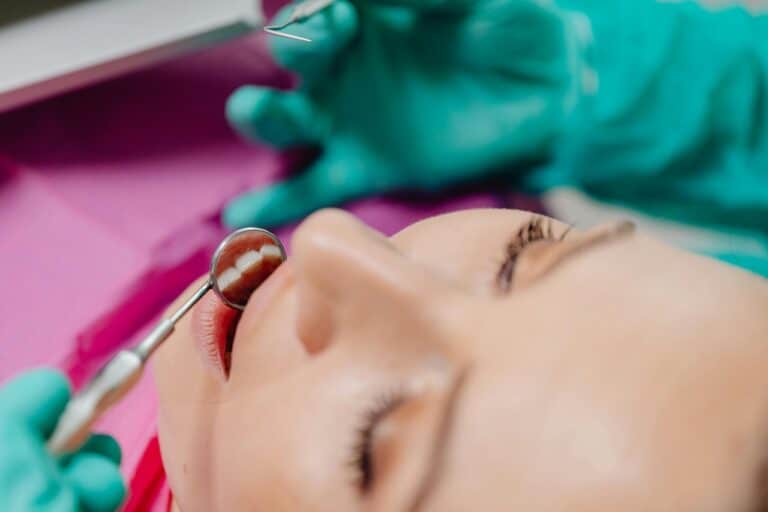
A natural, attractive smile draws people in quickly. Many patients visit Long Island Veneers because they want to feel confident when they speak, laugh, or have their photograph taken.
Our team knows that dental veneers can make a dramatic difference, but the key to a beautiful outcome lies in the customization process. When you understand how veneers are personalized to fit your mouth, needs, and lifestyle, you can make decisions with greater confidence. The following guide explains every important step we use to ensure your results look natural and function as you expect.
Key Takeaways
Understanding the Purpose of Customization
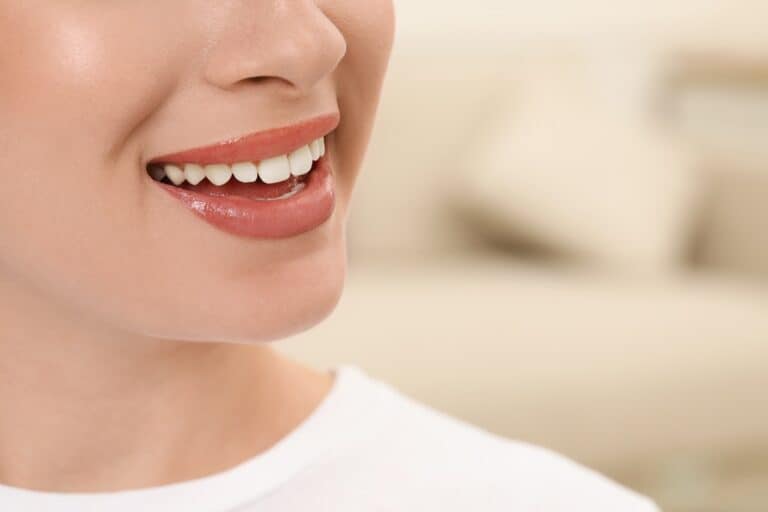
Customization sets dental veneers apart from more basic restorations. Our surgeon tailors every detail of your veneers to your unique features.
Personalized veneers address subtle issues like minor misalignment, chips, discoloration, and shape irregularities all at once, rather than simply covering imperfections.
Our process at Long Island Veneers ensures your final result enhances natural tooth proportions, facial symmetry, and overall confidence. Custom-fitted veneers restore strong biting function in addition to cosmetic improvement.
You can expect us to use digital tools and hands-on techniques throughout this process, as this ensures a higher standard of care.
Key Factors We Assess Before Customization
Each patient requires a different approach depending on biology and expectations. Our doctor spends time assessing several important factors during your consultation, which determine the design and placement plan.
Facial Anatomy and Smile Design
During your smile analysis, our team considers your facial proportions, lips, and gums, not just tooth shape. Every patient’s face is unique.
Teeth that look natural for one person might appear artificial on another. Proportional veneer shaping helps highlight your best features and ensures balance in your smile.
Tooth Health and Shape
Healthy teeth provide a strong foundation for successful veneer bonding. Our surgeon evaluates tooth structure, enamel thickness, and prior dental work before planning treatment.
We look closely at chipped, misshapen, or worn teeth. This assessment informs veneer thickness and edge contouring to match your existing teeth.
Color Preferences and Natural Variation
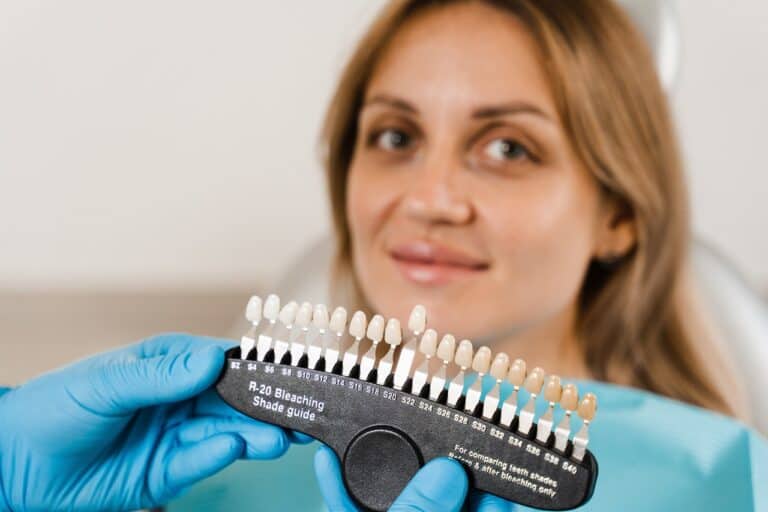
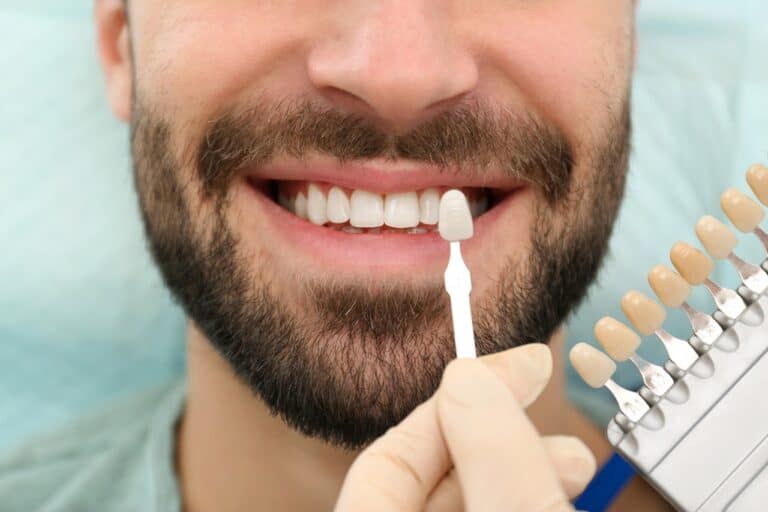
No single “white” shade suits every person. We provide a selection of tooth shades and translucencies, which let our team match the precise natural color of your smile.
Our specialist can fine-tune the level of brightness, warmth, or coolness in the final result, preventing an artificial look.
Bite and Function
Some patients have bite irregularities or teeth grinding habits. Our surgeon performs a bite analysis to ensure new veneers hold up under chewing and speaking.
We may recommend small adjustments to veneer thickness or length, so that your bite feels comfortable and stable.
Our entire assessment stage shapes how we customize veneers to give you the best and most natural-appearing outcome.
Steps Involved in Customizing Veneers
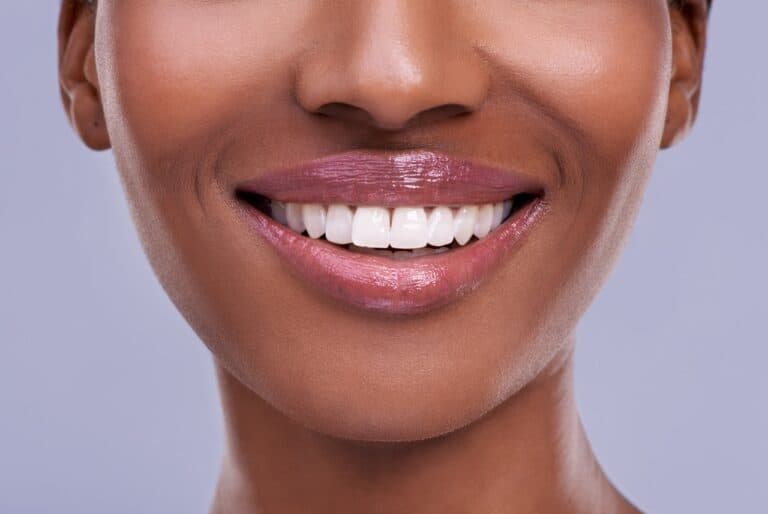
Creating veneers that appear natural and fit comfortably requires a multi-step process. Below, we outline the key stages that make proper personalization possible.
Initial Consultation and Smile Analysis
First, our team meets with you to review dental history, aesthetic goals, and concerns. We take high-quality digital photographs while you smile, as well as resting and speaking images, to capture the way light moves across your teeth.
At this visit, our doctor performs a complete oral exam and discusses what you hope to achieve. Patients often share images of smiles they admire or describe traits they would like to correct.
Our surgeon records detailed notes about your bite, tooth size, and unique facial characteristics during this appointment. This helps us prepare a highly individualized plan.
3D Digital Scanning and Impressions
Accurate dental records allow our specialists to build veneers that fit seamlessly onto your teeth. Modern digital scanners capture the contours of your teeth in detail.
For certain complex cases, our surgical team may supplement digital imaging with soft impression materials to achieve ultra-precise molds. Both options let us create a virtual 3D model of your smile.
We send these records to our laboratory partners, who use them to craft every aspect of your custom veneers.
Mockup and Model Construction
Our team creates a visual mockup of how your veneers might look. You review this “trial smile” to see a preview of expected results before proceeding.
This step gives you a chance to share feedback about veneer length, color, and contour. The temporary model allows for adjustments and shared decision-making, which leads to higher satisfaction.
Tooth Preparation and Shade Selection
After finalizing design details, our surgeon gently prepares each tooth’s surface to create bonding space. Preparation is usually very minimal when teeth are healthy, and alignment is good.
At the same visit, we use precise color guides and seek natural lighting to match your veneers to the exact shade of your natural teeth. Customization at this level ensures subtle blending with neighboring teeth.
Temporary veneers may be placed at this stage so you maintain an attractive smile as the lab prepares your permanent set.
Laboratory Fabrication and Artistic Shaping
After preparation, the detailed molds go to a skilled dental laboratory. Experienced dental technicians use computer-guided tools and careful hand-layering techniques to replicate your tooth textures, edges, and coloring.
This stage is the heart of customization. Master technicians often build layers of ceramic or apply delicate color corrections using stains and glazes. Each step improves durability and realism.
When your veneers are ready, our team carefully checks shape and fit, then makes final adjustments before you try them in.
Try-In and Final Placement
At your next appointment, our surgeon tries on each veneer. We assess comfort, speech, bite alignment, color, and overall appearance in both strong and soft lighting.
During this phase, our team seeks your feedback about any irregularities or areas for improvement. Small adjustments in veneer thickness or positioning are often possible.
When both our surgical team and you are satisfied, we use advanced dental bonding agents to securely attach each veneer. We perform a final polish for a seamless finish.
Your fully customized veneers are now complete, designed for lasting function and natural beauty.
Popular Materials Used for Custom Veneers
Choosing the right material for dental veneers is central to successful customization. We recommend options based on your goals and needs.
Porcelain Veneers
Porcelain often gives the most lifelike appearance. This material closely mimics the enamel’s shine and translucence.
Our surgeon prefers porcelain for high-visibility areas, complex cases, or when long-term durability matters most. Porcelain resists stains better than most alternatives and can last over a decade with care.
Composite Resin Veneers
Composite resin veneers use tooth-colored filling materials. We often use composite for minor corrections, repairs, or when a faster result is needed.
A skilled cosmetic dentist can blend composites on-site, which allows for small modifications even after placement. These veneers typically cost less but may require more frequent touch-ups to keep their color and finish.
Our doctor will advise which material suits your expectations, habits, and smile goals after a thorough examination.
What Happens in the Dental Lab
Many patients ask what happens when their case heads to the laboratory. The artistry and technology used by our lab partners play a huge role in every beautiful result.
Below is a list summarizing the main steps our partners take in their process.
At this stage, every detail involves collaboration between our doctor and highly trained ceramists.
- Diagnostic Wax-Up: Technicians create a physical or digital wax model based on digital scans, which predicts fit, length, and shape before final production.
- Color Matching and Layering: Natural-looking teeth show a range of colors from tip to gumline. Technicians mix porcelain powders or tints to match your specific color requirements.
- Shaping and Surface Texture: The lab sculpts the edge, thickness, and fine texture of your veneer, reproducing unique anatomy such as incisal ridges or subtle grooves.
- Firing and Glazing: Porcelain layers are heated under precise conditions, which increases strength and imparts a natural shine through custom glazing techniques.
- Fit and Quality Checks: Every veneer undergoes quality control to verify that margins, color, thickness, and compatibility meet our surgeon’s standards.
A finely crafted veneer should blend smoothly with the rest of your smile. Laboratory customization is vital to this level of realism.
Role of the Patient in Customizing Veneers
Your participation and feedback matter at every phase. At Long Island Veneers, we view patient input as one of the core ingredients in a successful veneer outcome.
You help our team choose the right shape, size, and shade by communicating your preferences. Patients may bring in photos of smiles they admire or describe specific cosmetic changes.
We involve you in decisions at the design and mockup stage, so you have a say before permanent veneers are produced. During the try-in visit, we seek your impressions about comfort, aesthetics, and speech. This ensures your veneers meet your own expectations.
Some adjustments remain possible before final bonding. Our surgeon encourages open communication so we can address concerns right away.
Common Challenges in Veneer Customization
Crafting custom veneers requires precision and problem-solving skills. Certain challenges can arise, which our practice addresses with specific strategies.
Matching Complex Tooth Colors
Natural teeth display gradients of color and subtle spots. Achieving a match with veneers requires a nuanced approach using various porcelain shades and surface treatments.
We use high-quality color guides and sometimes request custom shade tabs from the lab. Our team reviews your smile in direct and ambient light for accuracy.
Accounting for Tooth Movement
Teeth can shift slightly after impressions. Our process includes a “try-in” phase that lets us catch changes before bonding your permanent veneers. Sometimes adjustments to the bite or contours are necessary.
Ensuring Longevity in Difficult Cases
Patients who grind or clench their teeth risk veneer wear. We may recommend minor functional modifications, choose stronger porcelain blends, or provide protective night guards to prevent damage.
Customization allows our team to address these and other individual challenges while preserving optimal results.
Care and Longevity of Custom Veneers
Quality veneers are an investment in your smile. Our team wants your new veneers to last as long as possible, so we advise every patient about care after placement.
Daily Maintenance
We recommend twice-daily brushing and daily flossing to protect both veneers and natural teeth. Use a non-abrasive toothpaste and a soft-bristle brush.
Regular checkups give our surgeon an opportunity to spot small issues while they are manageable. Routine hygiene helps remove stains and maintain brightness.
Protecting Your Investment
Avoid biting hard non-food items such as pens or ice. If you participate in contact sports, consider a custom mouthguard.
Patients who have night grinding or bruxism should use a protective dental guard while sleeping. This prevents cracks and chips.
With simple care and occasional adjustments, your custom veneers can remain attractive and functional for many years.
The Lasting Value of Personalized Veneers
A beautiful smile should never look artificial or generic. Customization at every step distinguishes a natural-looking, long-lasting veneer from a basic solution.
Patients at Long Island Veneers receive veneers that fit their own dental structure and facial contours. Personalization ensures your veneers look and feel like an authentic part of your smile, not an obvious addition.
If you are considering a cosmetic dental solution and value quality, reach out and schedule a visit with our team. We believe a confident, customized smile is within your reach and welcome the opportunity to help you discover how tailored veneers can transform your outlook and appearance.