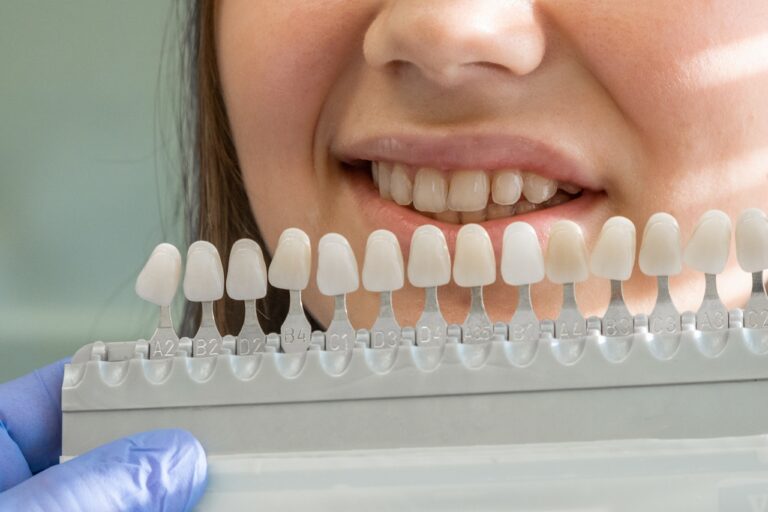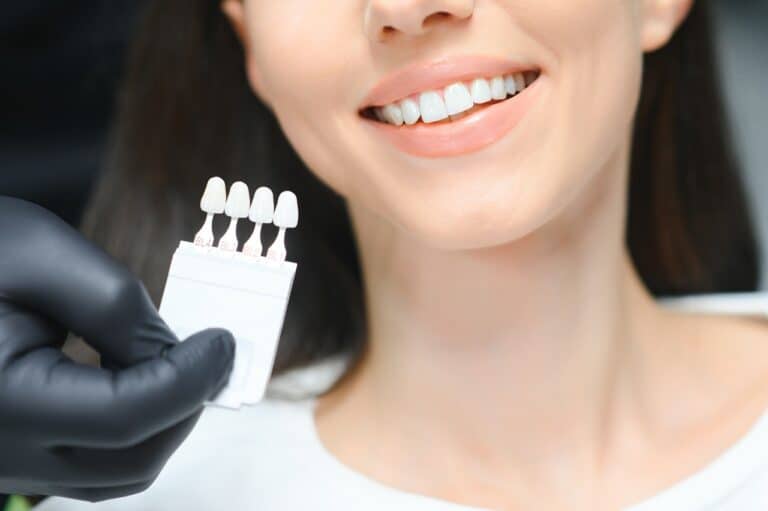
At Long Island Veneers, many people come to us for advanced solutions to transform the look and function of their teeth. While dental veneers are widely known, the process behind preparing veneers, especially the veneer shaving process, can raise important questions if you want a natural, lasting result.
Our surgical team believes that a clear understanding leads to strong decision-making about your smile. The veneer shaving process is a careful and skilled technique, and knowing what it involves helps ensure you feel confident every step of the way. If you are considering veneers, understanding the preparation process sets clear expectations for both the procedure and the long-term health of your teeth.
Let us guide you through every aspect, so you know exactly what happens before, during, and after the veneer shaving process.
Key Takeaways
A Clear Guide to the Veneer Shaving Process
Each veneer case at our practice starts with a thorough plan, and the shaving process plays a central role in preparing your teeth for veneers that look and feel real.
What Is Veneer Shaving?
Veneer shaving removes a very thin layer of enamel from the surface of your teeth. We perform this step with specialized dental instruments, allowing for an extremely shallow reduction.
Our dentist typically removes about 0.3mm to 0.7mm of enamel. This helps prevent veneers from appearing bulky or artificial and allows them to blend naturally with the rest of your teeth.
Shaving does not harm tooth structure when performed correctly. Our team always uses the most conservative approach to preserve as much healthy enamel as possible.
Why Is Shaving Needed for Veneers?
Veneers require space so they can bond precisely and create a seamless smile. Without removing this small layer of enamel, veneers might look too thick or fail to align correctly with your bite.
Removing a minimal amount of enamel helps the veneers fit better while still protecting the tooth underneath.
In special cases, such as “no-prep” or ultra-thin veneers, our dentist may recommend a process with little or no shaving. However, for most patients seeking a lasting and natural appearance, conservative shaving remains essential.
Common Misconceptions About Veneer Preparation
Many patients think enamel shaving feels invasive, painful, or reckless. In truth, our surgical team uses extreme care and focuses on comfort at every stage.
Another misconception is that it permanently damages your teeth. Our dentist designs every case to maintain tooth strength and vitality for the long term.
Finally, some believe veneer shaving is a one-size-fits-all procedure. The reality is that every mouth is different, which means your treatment will always be individually tailored.
Who Needs the Veneer Shaving Procedure?
Candidacy for veneer shaving involves several factors, and our dentist takes a comprehensive view of your oral health and cosmetic priorities.
Ideal Candidates for Veneer Shaving
The best candidates typically have strong enamel, overall dental health, and a clear desire to address issues such as discoloration, chipping, or minor misalignment. Our clinical evaluation also considers the underlying health of the gums and the desired outcome for symmetry and function.
Patients who clench or grind their teeth might need extra assessment. Our team can address concerns like bruxism before proceeding with the veneer shaving process.
Conditions That May Require Special Consideration
Some cases require adjustments or a different approach. Significant tooth decay, gum disease, very weak enamel, or excessively worn teeth may require sequencing treatment or considering alternatives before veneer preparation.
For younger patients whose teeth are still developing, or adults with serious bite alignment problems, our lead cosmetic dentist may advise waiting or exploring pre-veneering orthodontic solutions.
We encourage an open conversation about expectations and lifestyle, so our team can customize your treatment plan for the best results.
The Step-by-Step Veneer Shaving Process
The veneer shaving process unfolds over several important steps. Each step contributes to the quality, safety, and appearance of your final smile.
Initial Consultation and Planning
Our team first completes a detailed exam, including digital scans, x-rays, and a review of your history. We discuss your vision for your smile and map out what changes you would like to see.
Our dentist reviews tooth shade, alignment, and bite. We also take high-resolution images and discuss shade-matching so your veneers blend perfectly.
This consultation helps establish a precise plan for how much enamel requires removal and where to focus efforts for cosmetic improvement.
Tooth Preparation and Shaving Technique
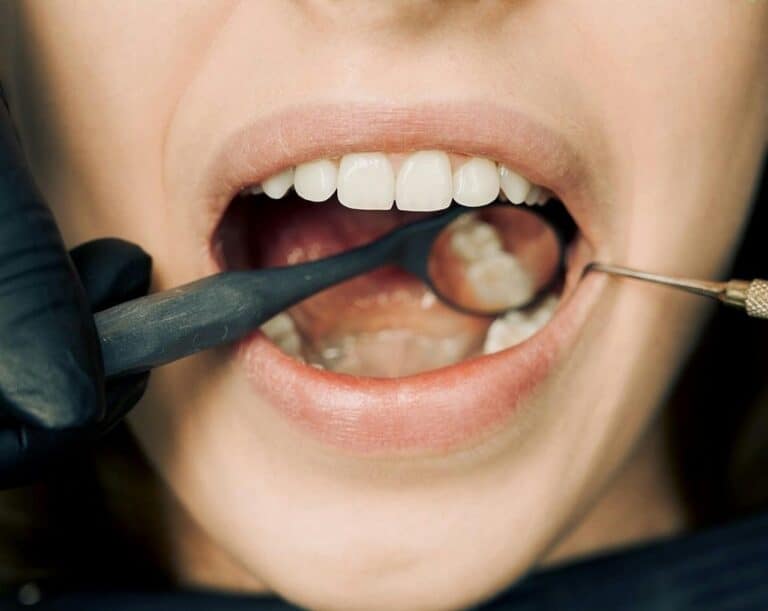
The day of the veneer preparation sets the stage for a new smile. Our dentist starts by applying a gentle local anesthetic so you remain comfortable throughout the process.
We mark the teeth that will receive veneers. Using ultra-fine diamond burs and specialized handpieces, our team removes only what is necessary from the front and sometimes the sides of each tooth.
This reduction is always minimal, measured within fractions of a millimeter. Our dentist takes detailed impressions or digital scans immediately after shaving to capture the precise form of your prepared teeth.
Temporary Protection and Veneer Fabrication
After shaving, we can place temporary veneers or protective coverings as needed. Our partner laboratory then fabricates your custom veneers to match the exact dimensions taken during preparation.
Temporaries help protect the prepared teeth, maintain function, and let you “preview” the shape and color, so small adjustments remain possible before final placement.
Once the permanent veneers return from the laboratory, our surgical team checks the fit, color, and bite to ensure the result meets your expectations.
Safety, Tooth Health, and Recovery
Our philosophy centers on the long-term protection of your teeth. Safety and recovery often top the list of questions for those considering the veneer shaving procedure.
How Shaving Affects Tooth Strength
Many people fear that enamel shaving compromises tooth strength. When performed by a skilled dentist, the process removes only the thin outermost enamel layer, which does not expose the soft dentin underneath.
This means your remaining tooth structure stays safe and functional. Our dentist always calibrates the reduction to the lowest amount necessary to avoid unnecessary risk.
Patient Experience During and After the Process
The entire shaving procedure usually feels painless because of the effective local anesthesia we use. Occasionally, some people report mild discomfort or sensitivity in the hours and days that follow.
Most patients recover quickly, and any sensitivity typically fades within one to two weeks after final veneer placement. Rarely, sensitivity may last longer, which our dentist can address with tailored veneers aftercare instructions or desensitizing treatments.
Post-Procedure Care Tips
Proper care after veneer shaving supports a smooth recovery and helps extend the life of your veneers. You should:
- Brush and floss daily using a gentle, non-abrasive toothpaste.
- Avoid very hot or cold foods for the first few days to limit temporary sensitivity.
- Schedule follow-up visits with our team to check the fit and condition of your veneers.
- Contact our office promptly if you notice persistent discomfort, unusual pain, or damage to the temporaries.
Recovery moves quickly for most people. Consistent oral hygiene and routine check-ups make a noticeable difference in comfort and results.
Advantages and Limitations of Veneer Shaving
A balanced look at the pros and cons of veneer shaving guides smart, well-informed choices for your dental health and smile.
Benefits of the Veneer Shaving Process
Veneer shaving unlocks a range of important advantages when performed skillfully.
- Natural fit and appearance: Removing a thin layer of enamel allows veneers to sit flush, which delivers a lifelike and undetectable look.
- Stronger bonding: Freshly prepared enamel creates an ideal surface for the adhesive, leading to improved attachment and less risk of veneer slippage.
- Long-lasting results: Correct preparation prevents veneer chipping, detachment, or bite issues, so you enjoy durable, reliable results.
Each of these benefits supports both your appearance and your ongoing oral health.
Drawbacks and Risks To Consider
While the risks remain minimal with an experienced surgical team, consideration of potential limitations remains important. Tooth sensitivity can occur in some people, especially if they have thin enamel before the procedure.
Veneer shaving is not reversible. Once enamel has been reduced, a veneer must be present to protect the tooth and maintain function and appearance.
Rare complications, such as ongoing sensitivity or damage to the underlying tooth, seldom occur with a careful and conservative technique. Our dentist always addresses any history of dental problems to lower these risks.
Alternatives and New Developments in Veneer Preparation
While the traditional veneer shaving process works for many, some people inquire about minimally invasive or “no prep” options. The suitability of these approaches depends greatly on your goals and the condition of your teeth.
Types of Veneer Preparation: A Helpful Overview
Before committing to veneer shaving, it helps to know about available preparation techniques. The main categories include:
- Traditional preparation: Our dentist gently removes a precise portion of enamel from the tooth. This creates the ideal surface for standard porcelain veneers, which offer superior strength, translucency, and durability.
- Minimal preparation (“no prep”): Ultra-thin veneers can sometimes fit over teeth with little to no enamel removal. These veneers can be ideal for patients with smaller teeth or those seeking minor cosmetic improvements. However, they may not address dramatic color changes or significant misalignment as effectively.
- Composite veneers: Directly applied, these require even less shaving and may be reversible, but they often lack the strength and aesthetics of porcelain.
Traditional shaving remains the gold standard for most people who want major improvements in shape, color, or alignment.
Our team discusses all options to help you make an informed decision that matches your dental history and cosmetic vision.
Frequently Asked Questions About the Veneer Shaving Process
We recognize that patients want as many answers as possible before moving forward. Here are detailed responses to the most common questions about veneer shaving at our practice.
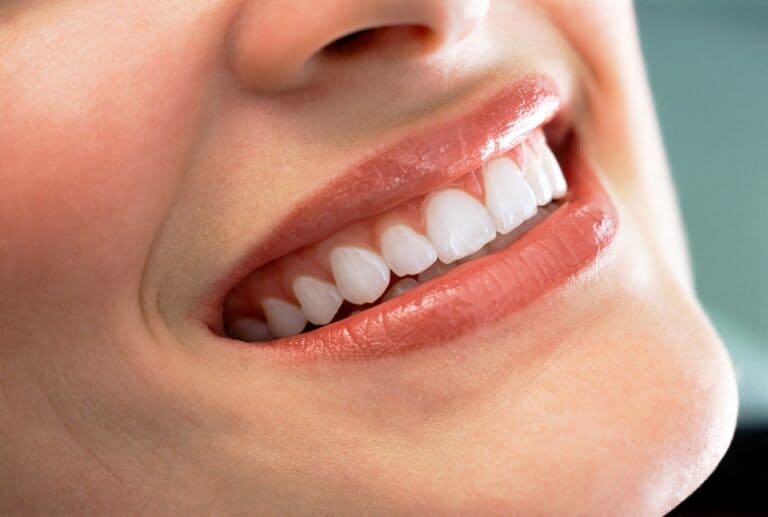
Making a Confident Decision for a Lasting Smile
The veneer shaving process is both science and art, blending precision with a gentle touch to create a foundation for a vibrant new smile. Each step has a clear purpose, and thorough planning by our team protects your health and ensures truly natural results.
When considering veneers, knowledge helps you feel sure of every decision. Clear details on tooth prep, recovery, and alternative options help you set realistic expectations and avoid surprises at every stage.
The experience at Long Island Veneers links technology, experience, and compassion to support your oral health and cosmetic goals. For any lingering questions about the veneer sanding or shaving process, we encourage you to schedule a consultation with our dentist. Together, we can help design the smile you have always envisioned, crafted responsibly, safely, and beautifully, every time.