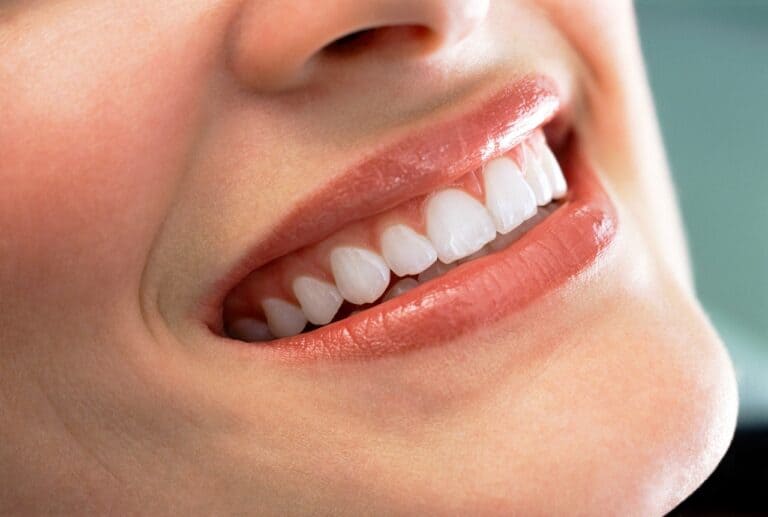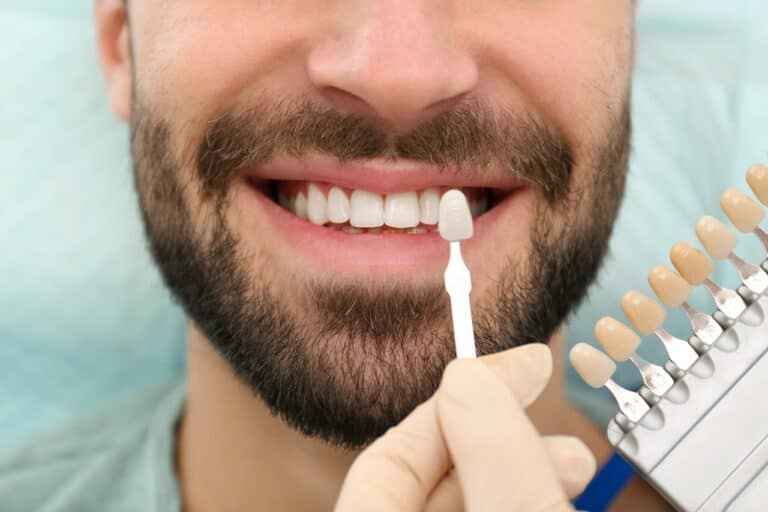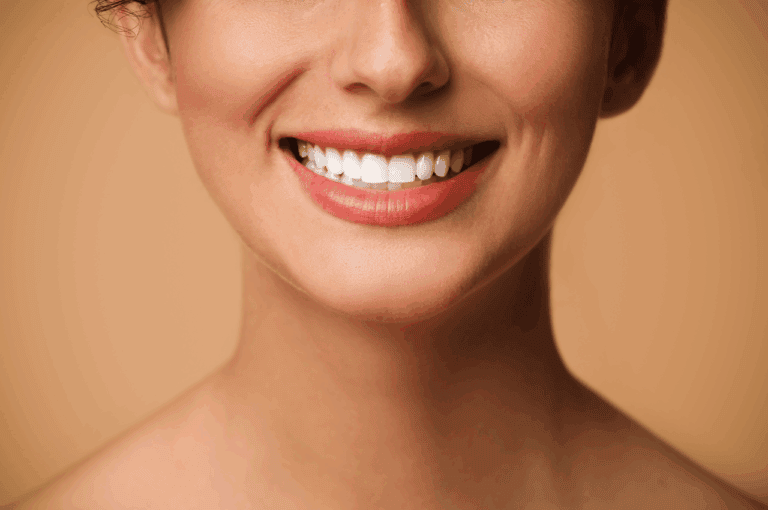
At Long Island Veneers, many patients share how much they value a bright, natural-looking smile. Veneers can offer that dream look, but proper care matters when it comes to keeping them vibrant and healthy over the long term.
Many people think veneers need little attention, but that is not the case. If you want your smile to last for years, there are a few cleaning habits and key facts you should know. Our team wants you to feel confident about every step of your dental care, so keep reading for helpful, honest tips about cleaning veneers.
Key Takeaways

What Veneers Are and Why Cleaning Matters
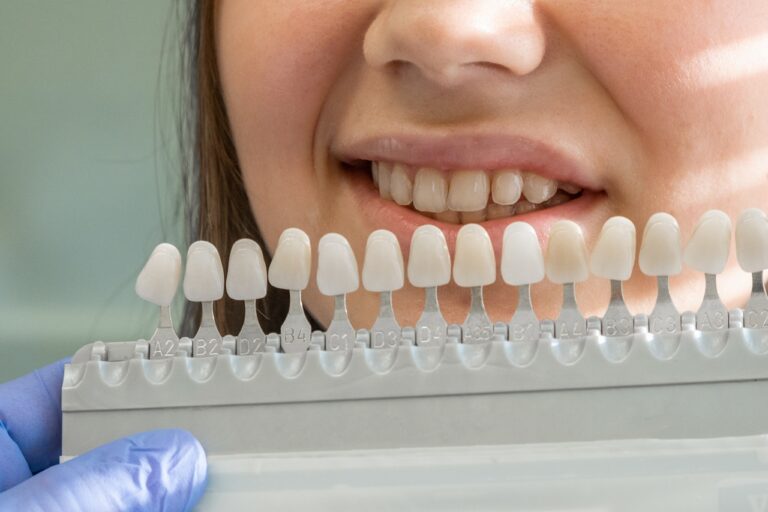
Veneers are thin, custom-made shells that cover the front surface of your teeth. Dentists often use porcelain or composite resin to craft strong, stain-resistant veneers that mimic natural enamel.
These restorations bond securely to your teeth, providing a brilliant, even smile. Many people choose veneers to fix discoloration, chips, gaps, or alignment issues.
Even though veneers resist stains and decay better than natural teeth, they still rely on your care. Plaque and bacteria can collect along the gumline or on the edges of veneers, leading to oral health issues.
Veneers do not decay themselves, but your natural tooth underneath can become vulnerable without proper hygiene. You need to clean your veneers carefully and prevent gum disease, cavities, or detachment.
Daily Cleaning Habits for Veneers
You should treat veneers with the same attention as your natural teeth. Simple daily routines help ensure your smile stays clean and attractive.
Best Brushing Techniques
You must choose the right toothbrush first. Use a soft-bristled brush, as stiff bristles can scrape or dull the surface.
Brush twice a day, using small, gentle circles that cover each tooth. Pay close attention to the gumline as well as the fronts and backs of your teeth.
Non-abrasive toothpaste matters most. Whitening and tartar-control toothpastes may have rough particles, which can scratch veneers. Pick a gentle formula with fluoride that does not have a gritty texture.
Flossing with Veneers
Flossing keeps the edges of veneers and the areas between your teeth free from plaque. Choose a smooth, waxed dental floss, which slides easily and does not snag under your veneers.
Move floss up and down gently, not snapping it against the gum. You can consider floss picks or water flossers for extra convenience, but use them with a gentle motion.
Mouthwash for Additional Cleanliness
A good mouthwash helps maintain a bacteria-free mouth around your veneers. Find an alcohol-free, non-abrasive mouthwash (alcohol can soften bonding material and irritate gums).
Rinsing after meals or snacks can help prevent stain buildup and protect both your veneers and your gums.
Professional Care and Maintenance
Regular dental visits play a huge role in keeping veneers healthy. Our dentist at the Long Island office wants to see you at least every 6 months for a cleaning and checkup.
What to Expect at Professional Cleanings
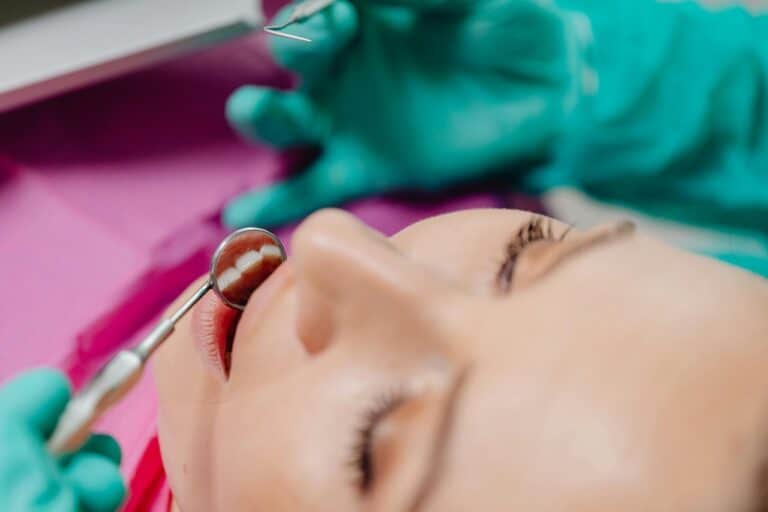
During dental cleanings, the hygienist uses soft tools and non-abrasive polish to remove buildup from veneers and natural teeth. The cleaning also extends to the gumline and spaces between teeth, which prevents bacteria from settling near veneer edges.
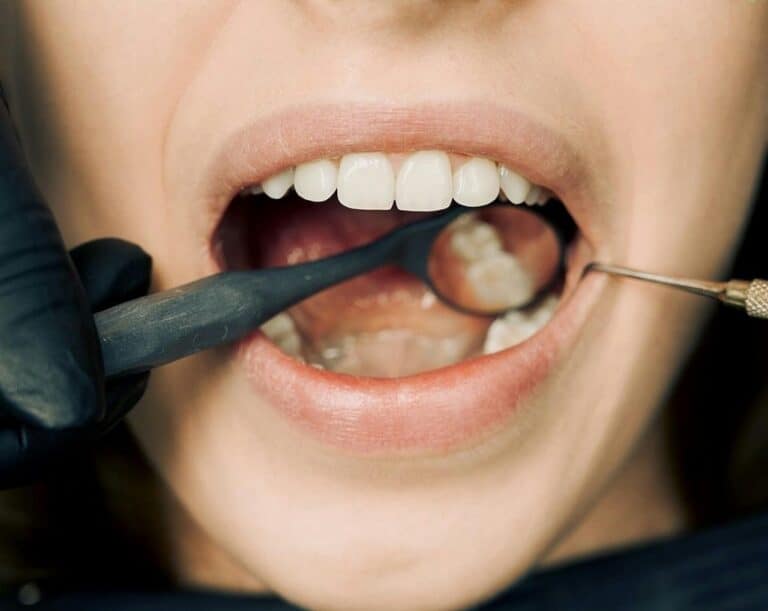
At these visits, your dentist will also inspect the fit and condition of each veneer. The exam looks for early signs of wear, micro-leakage, or gum disease. Early detection means your veneers can last longer.
Professional maintenance gives your veneers a fresh, bright look, while protecting your oral health as a whole.
Foods, Drinks, and Habits That Affect Veneers
Some foods, beverages, and daily habits can impact the look and longevity of your veneers. Small changes brighten your smile and help your dental investment last.
Foods and Beverages to Limit
Porcelain veneers resist stains better than natural enamel, but they are not stain-proof. Red wine, coffee, tea, berries, curry, and tomato sauce can discolor veneers over time.
Certain foods, such as ice, popcorn kernels, hard candy, and nuts, can also chip or crack the edges. Sticky candies may pull at bonding areas.
Habits to Avoid
You should never use your veneers to bite or tear open packaging. Pen chewing and nail biting can easily weaken or damage veneer edges.
Smoking and chewing tobacco increase the risk of gum disease. These habits also stain both the veneers and the natural edges of your teeth.
Safer Choices for Your Smile
Drink water or rinse your mouth after consuming staining foods and drinks. Choose teeth-friendly snacks such as cheese, apples, cucumbers, and plain yogurt.
These habits reduce the buildup of stains and lower your risk of veneer damage. Over time, careful choices help your veneers stay bright and chip-free.

Recognizing and Addressing Problems Early
Quick action makes a big difference if an issue arises with your veneers. You can often prevent bigger problems with timely care.
Signs That Need Prompt Attention
Some changes may need your dentist’s immediate attention. Issues to watch for include:
- Chips or cracks: Any visible damage can allow bacteria to reach the tooth below or cause further breakage.
- Looseness or shifting: Veneer movement often signals bond failure, which a dentist should address right away.
- Sensitivity or discomfort: New pain or temperature sensitivity may indicate underlying tooth issues, especially if you notice gum bleeding or swelling.
These symptoms should never be ignored. The sooner you let our office know, the easier it will be to correct the issue and preserve your veneers.
Step-by-Step: How to Clean Your Veneers at Home
A consistent routine is the best way to care for your veneers day-to-day. You can follow the following steps each morning and night.
- Choose the right tools: Select a soft toothbrush and non-abrasive fluoride toothpaste to prevent surface scratches and protect the bond.
- Brush carefully: Clean all sides of your veneers and natural teeth for 2 minutes, focusing on the gumline where debris often collects.
- Floss gently each day: Use waxed floss to clean along veneer edges, moving with gentle up-and-down motions that avoid pulling.
- Rinse well: Finish by rinsing with an alcohol-free mouthwash to freshen breath and remove bacteria.
- Check for problems: Take a few seconds daily to look for chips, cracks, gaps, or changes in color or fit.
This daily approach ensures your veneers and your natural teeth both look and feel their best. Keeping this habit can extend the life and appearance of your dental work.
Is There a Difference Between Porcelain and Composite Veneers in Cleaning?
Patients often want to know if cleaning routines differ for porcelain and composite veneers. The basic principles stay the same, but there are a few extra details to note.
Porcelain veneers have extra stain resistance and a smoother surface. Cleaning porcelain requires a gentle, non-abrasive toothpaste, soft bristles, and regular dental checkups.
Composite veneers, which use a resin designed to blend with natural teeth, can be more porous. They may pick up stains or respond differently to abrasive products.
For both types, avoid harsh whitening pastes or rough scrubbing. Daily care and regular professional visits keep either type of veneer clean and beautiful.
Common Mistakes to Avoid When Cleaning Veneers
A few simple errors can wear down veneers or shorten their lifespan. By avoiding these pitfalls, you help your veneers look great for years.
- Using abrasive toothpaste: Rough or gritty pastes may scratch the surface (especially for composite veneers).
- Rough brushing: Brushing too hard or with stiff bristles can weaken your gums and dull veneer shine.
- Neglecting the gumline: Skipping the area between the veneer and gums allows bacteria and plaque to accumulate.
- Rushing flossing: Forcing dental floss can damage bonding or gums. Gentle motions work best.
- Using alcohol-based mouthwash: Alcohol can soften the bonding material and irritate soft tissues.
It helps to take your time and use gentle, careful motions at every step.
Maintaining Overall Oral Health with Veneers
Great oral hygiene matters for every patient with veneers since the health of your natural teeth supports your veneers.
Gum and Tooth Health Impact Veneers
Gum disease or cavities can affect the fit of your veneers or even cause them to detach. Daily hygiene protects your smile as a whole, not just the visible surface.
Dental Products Safe for Veneers
Many over-the-counter dental products are safe for veneers. Choose items marked as gentle, non-abrasive, and alcohol-free.
Your dentist can suggest the best options if you need extra fluoride or have sensitivity. Avoid products that promise quick whitening or intense tartar control, as these often contain ingredients that can harm veneers.
How Often Should You See the Dentist with Veneers?
Routine dental checkups are crucial for preventing issues and ensuring the best fit. Our doctor typically recommends visits every 6 months.
At these checkups, your dentist cleans away stains, re-polishes the veneers, checks for gum problems, and assesses how your veneers fit. You also get a chance to report changes or small issues before they grow more serious.
Each routine visit gives you peace of mind and helps your veneers last as long as possible.
Tips for Long-Term Veneer Success
A few long-term habits help extend the lifespan and beauty of veneers. By following these suggestions from our Long Island team, you can enjoy your dental investment for many years.
- Wear a mouthguard if needed: Night teeth grinding can loosen or damage veneers. A custom mouthguard protects your smile while you sleep.
- Address dental issues promptly: Small problems, such as tiny chips or early gum symptoms, are easier to fix if you act quickly.
- Keep up with dental visits: Staying on schedule with your checkups allows your dentist to catch issues and provide professional cleanings.
- Avoid stain-causing nutrition choices: Consistently picking foods and drinks that do not stain can keep your veneers brighter for longer.
- Stay gentle in daily cleaning: Soft brushes, delicate flossing, and gentle toothpaste all work together to safeguard your veneers.
By focusing on these habits, you can protect your investment and enjoy your smile for many years.
Answers to Frequently Asked Questions About Veneer Care
Regular questions help patients care more confidently for their veneers at home. Here are a few of the most common topics our team discusses.
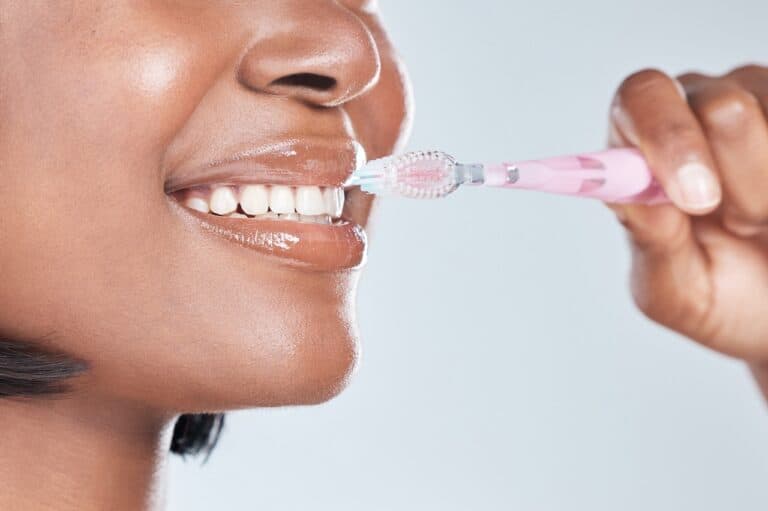
Keeping Your Smile Bright at Long Island Veneers
Your veneers represent an investment in a lasting, radiant smile. The best way to protect that investment is with daily gentle care and regular checkups with your dental team.
Small daily choices, from brushing with gentle toothpaste to avoiding hard or sticky foods, make a clear difference over the years. Spotting issues early also gives you a much better chance of saving your veneers in case of problems.
If you have questions about cleaning your veneers, or if you want personal tips for your dental care, our team would love to help. Contact Long Island Veneers today to schedule a visit and keep your smile shining for years to come.