It is common to have questions about discomfort when considering veneers. Many individuals visiting Long Island Veneers express concerns about discomfort and the overall process of dental veneer placement.
Our team understands that fear of pain can hold people back from seeking a brighter, more confident smile. Knowing exactly what to expect helps you move forward with less anxiety. This guide explains what sensations are typical, how our surgeon approaches patient comfort, and what steps you can take for a smooth experience.
Let’s walk through the facts, expectations, and expert insights you need from consultation to recovery so you can make informed decisions about veneers with total confidence.
Key Takeaways

What Are Dental Veneers?
Dental veneers offer a reliable way to enhance your smile with long-lasting, natural-looking results. Many people choose veneers to cover chips, stubborn discoloration, uneven spacing, or worn enamel.
Our lead cosmetic dentist at Long Island Veneers carefully bonds thin shells, typically made from porcelain or composite resin, to the front surfaces of your teeth. This approach creates a cosmetic transformation with minimal disruption to your existing teeth.
By selecting veneers, you gain a durable solution that resists stains and delivers a radiant appearance for years. Understanding how veneers work and the potential for discomfort at each step can help you weigh this option comfortably.
What the Veneer Procedure Really Feels Like
Many patients at our Long Island office worry about pain associated with veneer placement. Clear knowledge about the process can ease your mind and help you prepare.
Local Anesthesia and Discomfort Levels
Our surgeon usually numbs the area around the treatment teeth with a local anesthetic. This means you typically feel no pain during the actual preparation or bonding procedure.
Some patients describe slight pressure or vibration, similar to a dental cleaning. Sensations from the dental drill can also feel odd, but they rarely hurt due to the numbing process.
When Sensitivity Is Most Likely
Mild sensitivity may crop up during the temporary veneer phase, especially if enamel removal was necessary. Hot or cold foods may feel more intense if this occurs.
Discomfort usually fades once the permanent veneers are securely in place and your gums heal. Most people find this phase lasts about one week or less.
Main Steps of Getting Veneers
Understanding each stage of the veneer process helps explain when discomfort might be a factor. Below are the main steps in the veneer journey.
Initial Consultation
At your first visit to our practice, you will meet with our surgeon to discuss your needs. We may take X-rays and dental impressions, but this part of the process is pain-free.
Preparation Visit
If your teeth need reshaping or enamel removal to fit the veneers, our surgeon applies a local anesthetic. You may feel mild sensations, but there is usually no pain.
Temporary Veneers Placement
Temporary veneers are fitted while your custom veneers are made. These can sometimes feel a little bulky or sensitive, especially to temperature extremes.
Permanent Veneer Bonding
At your final appointment, our team removes the temporaries and places the new veneers using a special adhesive. This step is efficient, and most people feel relaxed throughout due to anesthesia.
After placement, some experience minor gum tenderness or pressure, which resolves within days.
Causes of Post-Veneer Discomfort
Although veneer placement is generally comfortable, a few factors can lead to temporary sensitivity or soreness. Our doctor always discusses these aspects, so you know what is typical versus what to watch for.
Enamel Removal and Tooth Sensitivity
To ensure a perfect fit, our surgeon may remove a thin layer of tooth enamel. This process exposes the nerve endings just beneath the surface.
For a few days after this step, you might find your teeth react more strongly to hot, cold, or sweet foods. The sensitivity usually fades as the nerves adjust and the veneers cover treated areas.
Gum Irritation
Gum tissue can feel slightly irritated where the veneer meets your gumline. This is most common in the first week and reduces as the gums heal.
Stable, properly fitted veneers should not cause lasting gum pain. If discomfort does not subside, our team recommends a follow-up exam to check the placement.
Bite Adjustment Issues
If new veneers subtly change the way your teeth come together, you might sense mild discomfort during chewing or biting. In rare cases, a small adjustment by our surgeon can correct the fit and restore total comfort.
Types of Veneers and Comfort Differences
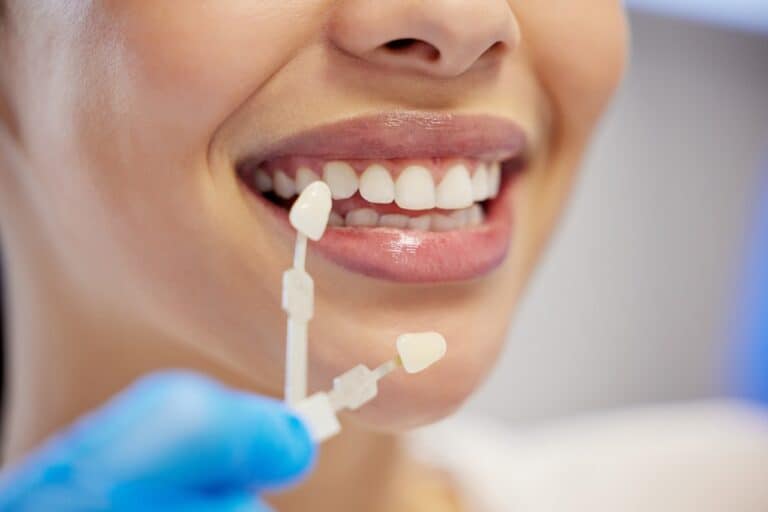
The specific material and process chosen for your veneers can impact sensitivity levels and your comfort during treatment. Our surgical team carefully selects the type best suited for your teeth and cosmetic goals.
Porcelain vs. Composite Resin Veneers
Porcelain veneers remain popular for their strength and lifelike appearance, and they require slight enamel reshaping. Composite veneers are thinner, which sometimes means less enamel removal and less post-procedure sensitivity.
No-Prep and Minimal-Prep Veneers
Some patients benefit from “no-prep” or “minimal-prep” veneers. This technique keeps most of your original enamel and reduces the need for drilling, which leads to a more comfortable experience.
No-prep veneers cause the least sensitivity, but not everyone is a candidate. Our doctor will advise you about the options for your unique situation.
Temporary Veneers
Temporary veneers protect your teeth until the permanent ones are placed. These may lack the perfect fit of your finals, so sensitivities to temperature or pressure may occur in this stage.
Choosing the right material and preparation technique makes a significant difference. Our team at Long Island looks at your goals, bite, and oral health to ensure optimal comfort.
Factors Influencing How Much Veneers Hurt
Several elements come together to determine how your body reacts to veneer treatment. Each person’s experience will differ based on their dental history and treatment plan.
Influential Factors
Consider these common factors if you want to understand what can impact comfort during and after veneers:
- Individual pain tolerance: People react to discomfort differently, which influences how they describe the veneer process.
- Extent of enamel removal: Larger adjustments to tooth structure can increase sensitivity, especially in the short term after the appointment.
- Number of teeth treated: Treating several teeth at once may lead to more noticeable aftereffects than a single veneer.
- Gum health prior to veneers: Healthy gums recover more quickly, so those with pre-existing gum issues may have a slightly longer adjustment period.
- Bite alignment changes: Small changes in how your teeth meet can affect comfort until your mouth gets used to the new surface.
By managing these factors with personalized care, our surgeon keeps discomfort to a minimum for most patients.
Ways Our Practice Minimizes Pain and Sensitivity
We strive for patient comfort throughout the entire veneer experience at our Long Island office. Our team employs several strategies that help prevent and manage any pain at every stage.
Personalized Anesthesia Techniques
Our surgeon uses local anesthesia to numb the teeth and surrounding gum tissues thoroughly. For patients with dental anxiety, we also discuss additional sedation methods when appropriate, helping you feel calm and at ease.
Gentle, Efficient Techniques
Meticulous preparation and bonding techniques minimize unnecessary pressure on sensitive areas. Our doctor uses precise tools to ensure a smooth, gentle process without damaging surrounding tissues.
Ongoing Patient Communication
Throughout your treatment, we encourage you to let our team know if you experience discomfort. Immediate feedback allows for quick adjustments to anesthesia or tools, and helps resolve issues before they can escalate.
When our team takes these extra measures, most people finish veneer treatment reporting comfort and satisfaction.
Normal Pain After Veneer Placement
After veneer placement, mild soreness or sensitivity is a frequent occurrence. Knowing which symptoms to expect gives you peace of mind as you recover.
Patients may notice the following sensations after their appointments:
- Mild discomfort when chewing on treated teeth in the first 48 hours
- Heightened sensitivity to hot, cold, or sweet foods
- Minimal gum tenderness or swelling near the treated area
These symptoms generally resolve within a week and respond well to over-the-counter pain relievers if needed. Our surgeon provides clear aftercare instructions to speed healing and lessen any lingering sensitivity.
When to Contact Our Office About Pain
Most veneer patients describe little to no pain. However, rare issues can occur that warrant prompt follow-up.
Prolonged pain, severe sensitivity, or discomfort that worsens over time should never be ignored. These symptoms may signal a veneer that is too high, poorly bonded, or affecting your bite.
You should also call our Long Island practice if you experience the following:
- Ongoing pain that interferes with sleep or eating
- Swelling or bleeding at the veneer site lasting longer than three days
- Veneers that feel loose, rough, or cause a sharp sensation
Quick evaluation ensures your veneers last, and your smile remains pain-free.
Tips for an Easier Recovery
Simple home care strategies help reduce sensitivity and speed your adjustment to new veneers. Following these suggestions at home eases discomfort and promotes successful healing.
Protecting Your Teeth
Our surgeon suggests eating softer foods in the first few days after your procedure. Avoid extremes in temperature and acidic beverages, which can exacerbate sensitivity.
Switch to a sensitive-teeth toothpaste to reduce uncomfortable sensations. Use a soft-bristled brush and a gentle flossing technique around the gumline.
Managing Discomfort
Over-the-counter pain medications, such as acetaminophen or ibuprofen, can relieve minor soreness. Please follow dosage instructions, and avoid placing aspirin directly on gums, as this may cause irritation.
If discomfort persists, contact Long Island Veneers for a checkup so we can assess your healing progress.
Long-Term Comfort and Veneers
With proper care and expert placement, veneers should feel natural and pain-free once healed. Our team prioritizes correct fit and alignment to prevent ongoing sensitivity or bite issues.
Regular dental cleanings and at-home maintenance protect both your veneers and the underlying teeth. Most patients with well-fitted veneers report enjoying long-lasting comfort and heightened confidence in their smile.
Should problems emerge with your restorations years down the road, prompt attention from our surgical team keeps your teeth, gums, and veneers in top condition.
Want Veneers? Your Comfort Matters
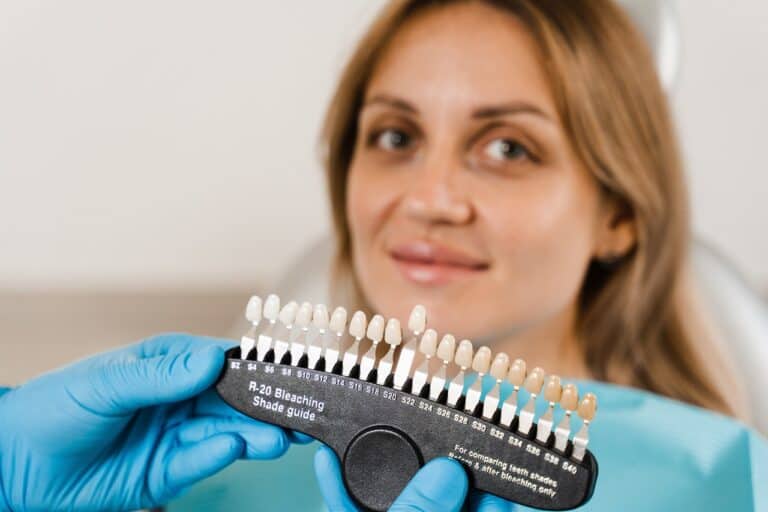
Every smile transformation at Long Island Veneers starts with clear, compassionate guidance about each step and sensation involved. You deserve to feel completely informed and in control of your care decisions.
Our surgeon’s gentle approach, honest communication, and advanced techniques mean discomfort is rare and short-lived. Even anxious patients are often surprised by how straightforward the experience can be with our support.
If you have concerns about pain, sensitivity, or the steps involved in getting veneers, our team is ready to help. We invite you to contact Long Island Veneers today to schedule your consultation, ask all your questions, and discover how a new smile can also be a comfortable one.