A beautiful, confident smile can make a lasting impression and change how you feel about yourself every day. At Long Island Veneers, we understand just how important your smile is, which is why patients often ask whether veneers or dentures deliver the cosmetic results they truly want.
Both of these restorative dental options can transform the appearance of your teeth, yet each solution serves very different needs. To help guide your decision, we will walk you through how veneers and dentures compare, who benefits most from each, and what results you can expect.
Key Takeaways
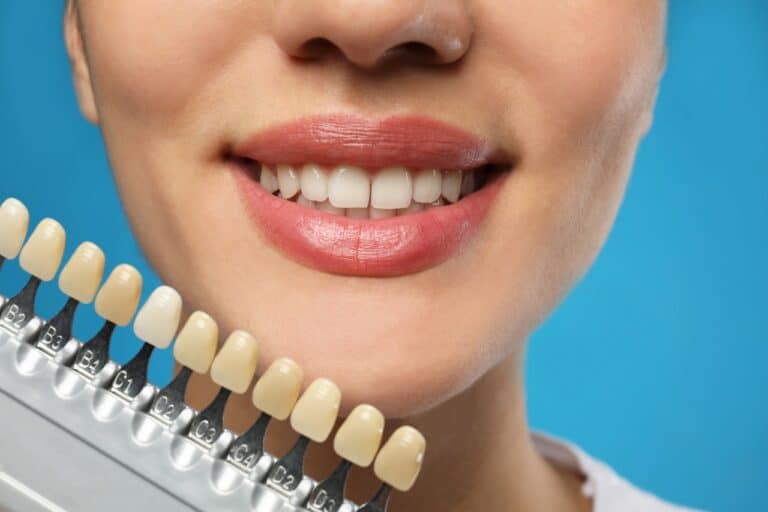
Veneers and Dentures: An Overview
Veneers and dentures serve distinct purposes, yet both can change your smile’s appearance. Understanding how each fits your unique needs is the first step toward a confident new look.
What Are Veneers?
Veneers are very thin shells made of porcelain or composite resin. Our surgeon bonds these shells to the visible front surfaces of your natural teeth.
Veneers correct gaps, chips, stains, uneven shapes, and minor crowding. The procedure preserves most of your original tooth structure as the shells blend with surrounding teeth for a lifelike result.
Traditional veneers require our doctor to remove a small amount of enamel. This ensures that the thin shell sits flush with your existing tooth line.
What Are Dentures?
Dentures act as removable replacements for a full or partial set of missing teeth. The base mimics gum tissue, while attached prosthetic teeth fill in gaps left by extractions or loss.
Dentures come in two primary forms. Full dentures replace all teeth in a jaw, while partial dentures fill spaces between any remaining natural teeth.
Modern dentures use advanced materials to better imitate real teeth, and our team can customize them so they suit your facial features.
Who Makes the Best Candidate?
Both treatments offer cosmetic benefits, but the ideal candidate for each looks quite different. The strength and health of your existing teeth play the most significant role here.
Candidates Well-Suited for Veneers
Patients considering veneers need a smile foundation made up of healthy, strong, natural teeth. Veneers cover discoloration, worn edges, and cosmetic gaps, but they rely on the structural integrity of the underlying tooth.
Veneers best serve people with mild to moderate cosmetic concerns rather than major functional problems. If you have significant tooth decay, gum disease, or large areas of missing tooth structure, veneers will not provide the best outcome.
Candidacy for Dentures
Dentures provide a solution when patients have lost multiple teeth or have teeth that cannot be restored due to severe decay or damage. This makes dentures the preferred choice for total arch restoration.
Some people require the extraction of remaining teeth if they are too weak or compromised to support any form of crown or veneer. In these cases, our surgical team fits full dentures after your gums heal to provide a complete, functional set of teeth.
Partial dentures can also help maintain oral function and appearance if you only miss several teeth in specific areas.
Comparing Cosmetic Results: Veneers vs Dentures
Most patients hope for results that improve both the look and function of their teeth. At our office, people often want to know which option appears more natural and aligns best with their expectations.
How Veneers Enhance Your Smile
Veneers create a seamless, bright look by covering cosmetic flaws while preserving your natural tooth. Every veneer is individually shaped and shaded for each patient, matching the color and dimensions of adjacent teeth.
Since veneers integrate with real teeth, the result looks authentic under all light and at close range. Veneers can also improve symmetry and balance across your smile line.
The porcelain surface resists stains for years, so your smile retains a fresh, vibrant appearance longer than with natural enamel alone.
Cosmetic Effects with Dentures
Dentures restore smiles by providing the structure and appearance of natural teeth across large gaps. Advances in dental materials allow dentures to mimic the color and translucency of real enamel and gums.
Our dental laboratory can customize tooth size, shade, and arrangement to match your facial proportions. However, dentures rest on your gums and do not bond to living tissue, so some patients notice subtle differences in feel.
The overall smile transformation is dramatic, especially for people who have lost most or all of their teeth. Still, dentures may not match the lifelike subtlety of individually crafted veneers for single-tooth or minor cosmetic cases.
Procedure Steps: What to Expect
Knowing what the process involves helps you prepare for each option. While both treatments require a commitment, veneers usually mean less invasive work compared to dentures.
How Veneers Are Placed
Our veneer process usually takes two to three appointments:
- Consultation and Planning: Our doctor reviews your goals and confirms that your teeth meet health requirements. We plan the size, shade, and design of your veneers together.
- Tooth Preparation: At your next visit, our surgeon removes a thin layer of enamel from the front surface of each tooth. This ensures a perfect fit. We take digital or traditional impressions to craft your custom veneers.
- Bonding and Finishing: After the veneers arrive from our lab, we check them for fit and color. Our surgeon bonds each veneer in place using a strong resin.
The process preserves most of your healthy tooth structure and requires only minimal numbing. Recovery is quick, and you can return to daily activities immediately.
Steps for Denture Placement
Denture treatment typically includes more stages, especially if you need extractions:
- Initial Assessment: You and our surgical team discuss whether full or partial dentures are best based on your oral health.
- Dental Impressions: We take molds of your gums and any remaining teeth to shape the base of your denture.
- Extractions (If Necessary): If you need teeth removed, our surgeon schedules and completes extractions. Tissue must heal for several weeks before your next fitting.
- Fabrication and Fitting: Our lab crafts your unique denture. We adjust the fit across several visits for comfort, bite, and appearance.
- Adaptation and Follow-Up: You return for periodic check-ups as your jaws and gums adjust to the new appliance.
Compared to veneers, dentures require a longer adjustment period as your mouth adapts to the appliance and you learn to speak and eat comfortably again.
Longevity and Durability: How Long Do Results Last?
Every patient asks how long their new smile will last. Each option offers a different balance between permanence, repairs, and maintenance.
Veneers: Lasting Cosmetic Improvements
Veneers last between 10-15 years on average, although many patients maintain a great result even longer with excellent care. The strong porcelain or composite surface resists chips and staining in daily life, and minor repairs are sometimes possible without full replacement.
Care for veneers just as you would your own teeth. This includes brushing, flossing, and regular checkups. Protection against trauma, such as mouthguards during contact sports, helps extend their life.
Durability and Replacement of Dentures
Dentures generally last 5-10 years, after which the fit and materials may decline. Gums and bone can shift over time, which may create looseness or discomfort.
Repairs or adjustments are sometimes necessary due to wear, fractures, or loss of fit. Many patients need new dentures as their jaw shape changes over time.
Unlike veneers, dentures require more frequent visits for realignment and replacement. Proper cleaning and nightly removal also help preserve the denture and oral tissues.
Key Differences in Maintenance and Daily Life
The everyday care routine and lifestyle impact of veneers and dentures differ significantly. Planning for maintenance ensures the best appearance and health in the long run.
Caring for Veneers vs Dentures
Here is a side-by-side look at maintenance for each:
- Oral Hygiene: Veneers allow you to brush and floss as you would with natural teeth, while dentures require removal for cleaning.
- Cleaning Solutions: Veneers need only non-abrasive toothpaste, but dentures require specific cleaning tablets or solutions to prevent buildup.
- Nighttime Routine: Veneers stay in place 24/7, yet you must remove dentures every night to let gums rest and prevent infection.
- Handling Delicate Materials: Veneers bond permanently, though biting hard objects can still chip them, while dentures may crack or warp if not protected when not in use.
Maintaining good oral health remains essential in both cases, as does regular dental exams to check for any changes or needed repairs.
Comfort, Speech, and Eating: What Patients Experience
Many patients express concerns about how natural and comfortable their dental solution will feel. Both veneers and dentures improve function, but the experiences differ.
Comfort with Veneers
Veneers act exactly like natural teeth. Once attached, they do not move or irritate gums, and the adaptation period is very short.
Patients rarely notice long-term discomfort or changes in sensation. The bond is secure, and normal eating, biting, and speaking feel unaffected.
Comfort with Dentures
Dentures can require a longer adjustment period. Some patients experience mild soreness or trouble speaking at first as oral muscles adapt.
Fit and comfort improve with regular adjustments by our Long Island team. Some foods may present minor challenges, but most people enjoy normal diets once adapted.
Saliva flow and taste may change slightly for some patients, yet our surgeon can adjust the denture fit to optimize function and comfort.
Potential Risks and Limitations
Both veneers and dentures carry specific risks and limitations to consider before treatment. Reviewing these factors can help you make an informed, confident choice.
Risks Associated with Veneers
- Tooth Sensitivity: Removing enamel during preparation may cause temporary or long-term sensitivity to hot or cold.
- Irreversibility: Once enamel is removed, the process cannot be reversed, which means you must maintain some type of covering for life.
- Damage and Repair: Veneers can chip, fracture, or loosen under severe force or trauma. Small repairs may be possible, but full replacement may eventually be necessary.
Risks and Limitations of Dentures
- Fit Changes Over Time: Gums and bone beneath dentures change slowly, often requiring periodic refitting or relining.
- Sore Spots: Poorly fitting dentures can cause irritation or sores on the gums, especially during early use.
- Retention and Movement: Some patients experience shifting or slippage during eating or speaking, especially with lower dentures.
- Maintenance Demands: Strict cleaning and handling are essential to prevent oral infections or denture damage.
A thorough consultation with our dentist allows us to review risks and develop a safe plan tailored to your situation.
Cost Considerations
Treatment cost can be a significant factor as you compare veneers and dentures. Several elements affect the final investment, including material choice, number of teeth, and the complexity of your unique case.
Veneers: Investment in Smile Perfection
Porcelain veneers tend to have a higher upfront cost per tooth than dentures. However, their durability and cosmetic effect make them a long-lasting solution for select cases.
Dental insurance may cover veneers only in limited situations, such as when used for repair or reconstruction after injury.
Patients seeking to enhance only a few teeth often find veneers an accessible investment for dramatic results.
Dentures: Restoring Multiple Teeth Affordably
Dentures generally represent a more cost-effective option for replacing many or all teeth at once, especially if only minimal customization is requested.
Insurance coverage for dentures is common when tooth loss affects function or health. However, additional costs arise for extractions, relines, repairs, or full replacement over time.
Our front office team can walk you through payment plans, insurance options, and ways to manage costs for either choice.
Veneers and Dentures: Making a Personal Decision
Choosing between veneers and dentures is deeply personal, and the right answer depends on your unique dental history, goals, and priorities. While both solutions aim to restore confidence and functionality, their strengths and requirements differ.
If your teeth are healthy but you wish to correct surface flaws, veneers provide a natural, subtle result that blends with your existing smile. For cases involving multiple missing or non-restorable teeth, dentures offer a functional, attractive replacement that can transform your appearance and improve your quality of life.
At Long Island Veneers, our surgical team invests time in understanding your needs and explains every available option in detail. We invite you to contact our Long Island office to schedule a consultation so we can guide you toward the solution that will help you smile with renewed confidence.
Whether you select veneers or dentures, our dedicated team remains by your side with ongoing support and expertise every step of the way.