At Long Island Veneers, many patients walk through our doors hoping to achieve the attractive, confident smile they have always wanted. Veneers offer a powerful cosmetic solution for teeth that show chips, stains, or irregular shapes. However, underlying gum disease can complicate your path to getting veneers, which often surprises our patients.
Treating gum disease is not just a good idea for your health, but also an essential step before you move ahead with dental veneers. By taking the time to address gum health first, you can set yourself up for long-lasting, beautiful results. This guide will walk you through why gum treatment always comes first when you want veneers.
Key Takeaways

What Veneers Can Do for Your Smile
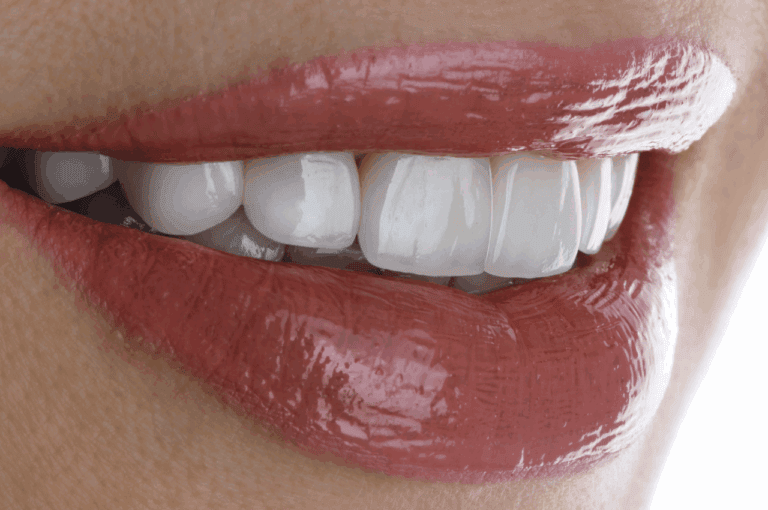
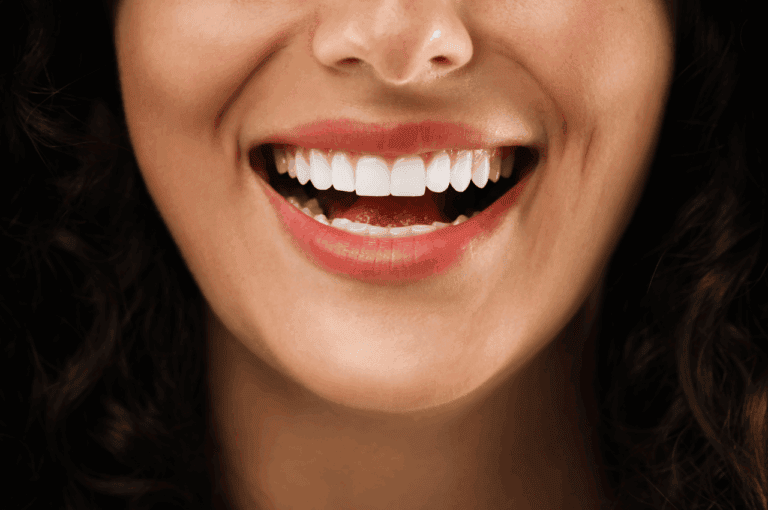
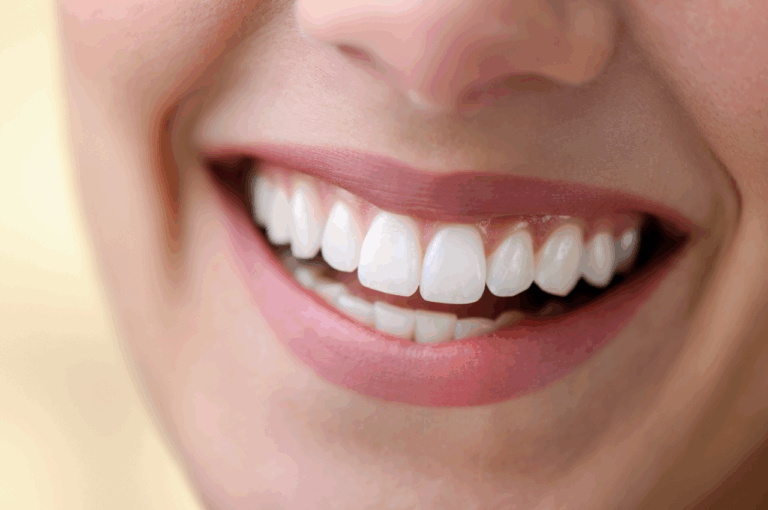
Veneers offer a reliable solution for several cosmetic dental concerns. They can quickly improve issues like tooth discoloration, mild misalignment, and chips.
Many patients feel more confident after veneers, as their smiles often look healthier and more even. Veneers typically use porcelain or composite resin, which your dentist bonds to the front of your natural teeth.
How the Veneer Process Works
The veneer process begins with a careful assessment of your mouth and goals. Your dentist shapes the natural teeth gently and takes precise impressions.
A dental lab then designs your custom veneers to fit perfectly. Your dentist places the new veneers securely with strong bonding cement, which means minimal discomfort and immediate results.
Results can last 10 to 15 years with careful attention and regular dental visits. However, gum health plays a crucial role in the outcome and longevity of your veneers.
The Causes and Symptoms of Gum Disease
Gum disease, known by dentists as periodontal disease, affects many people at some point in their lives. It often begins silently but can have major impacts if left untreated.
You may not notice the early signs right away, so routine dental checkups matter for detection and prevention.
What Causes Gum Disease?
The main cause of gum disease is the accumulation of plaque, which consists of bacteria and food particles that stick to your teeth. Without regular removal, this plaque hardens into tartar and irritates your gums.
Other risk factors can increase your chances of gum disease, such as:
- Smoking or using tobacco
- Hormonal changes (pregnancy, menopause)
- Diabetes and other health conditions
- Poor oral hygiene habits
Each of these factors can create an environment where harmful bacteria thrive.
Recognizable Symptoms of Gum Disease
Some symptoms are hard to miss, while others develop quietly. Watch for:
- Swelling and redness of the gums
- Bleeding during brushing or flossing
- Bad breath that will not go away
- Gum recession (gums pulling away from teeth)
- Loose or shifting teeth
Early treatment of these symptoms sets the stage for long-term oral health and helps you qualify for cosmetic procedures like veneers.
Why Gum Health Always Comes First with Veneers
Placing veneers over teeth with untreated gum disease brings significant risks. Our doctor will never advise moving forward with cosmetic treatment until we restore your foundation of gum health.
Risks of Placing Veneers on Unhealthy Gums
When you place veneers on teeth surrounded by active gum disease, you may face serious complications. Here is what can happen:
- The gums can recede further, exposing the edges or even the undersides of your veneers.
- Infection under the gums may cause your teeth to loosen, ruining even the best cosmetic work.
- Swollen or bleeding gums prevent veneers from fitting tightly, which leads to an unnatural appearance and early detachment.
We want your investment in your smile to last as long as possible, so gum disease always needs to be resolved first.
The Role of the Gums in Veneer Stability and Beauty
Gums play a major role in both the health and appearance of your teeth with veneers. Healthy gums hug the veneers closely, which improves aesthetic results and supports your confidence.
Properly shaped and healthy gums also frame each tooth attractively, since even the best veneers will look artificial if the gumline appears uneven.
Our team often works closely with you to ensure that your gums are in optimal condition before moving forward with cosmetic enhancements.
The Step-by-Step Path from Gum Disease to Veneers
You may wonder what treatment pathway you will need to follow if you have gum disease but want veneers. The process typically includes several important phases.
1. Evaluation and Diagnosis
The process always begins with a complete dental exam. Our doctor will carefully check your gums, measure pockets around teeth, and possibly take X-rays to assess underlying bone health.
If we see any signs of gum disease, we will share a clear explanation of your condition with you.
2. Treating the Active Gum Disease
Treatment depends on the severity of the disease. Common initial therapies include scaling and root planing to remove plaque and tartar from beneath the gums.
In some cases, you may need a series of visits to bring your gums back to health. Occasionally, patients may need surgical treatment to repair severe gum or bone loss.
3. Allowing Healing Time
After gum therapy, your tissues need time to heal and respond to treatment. The doctor monitors your gums during follow-up appointments to ensure inflammation clears and the tissues regain firmness.
4. Cosmetic Planning and Veneer Placement
Once healing is complete and your gums show no signs of disease, you can discuss veneer options and move forward with a smile makeover.
A custom treatment plan ensures the best results and long-term health.

Why Treating Gum Disease Improves Veneer Outcomes
Healthy gums lay the groundwork for beautiful veneers. When you treat gum disease first, you benefit from better function and a natural look.
Lasting Function and Comfort
Treated gums prevent veneers from shifting, loosening, or failing early. The teeth beneath your veneers stay anchored in a stable environment.
Many patients notice less sensitivity and can enjoy their new smiles with fewer complications after gum treatment.
Natural-Looking Smile
Healthy gums frame each tooth with a gentle contour, which supports the most realistic results. Swollen or receding gums often ruin the effect, causing veneers to appear longer, darker, or awkward at the gumline.
Our team at Long Island understands that your gums play a key role in the beauty of your smile.
What Veneer Candidates Need from Their Gums
Several factors make someone a good candidate for veneers. The state of your gums ranks near the top of that list.
Eligibility Factors for Veneers
Before you can receive veneers, your dentist will check for a few key qualities:
- Teeth must be free of major cavities or infection.
- Gums must show no active disease or inflammation.
- Bone structure must support your natural teeth securely.
- Commitment to brushing, flossing, and regular dental cleanings is essential.
Healthy gum tissue creates an ideal seal around your veneers, which prevents bacteria from seeping in and causing new problems.
If you have a history of gum disease, our surgeon can still help you qualify once you have completed periodontal care and reached a stable, disease-free state.
How Gum Disease Affects Veneer Placement and Longevity
Patients often feel tempted to skip gum treatment and move ahead quickly with veneers. However, untreated gum disease leads to a wide range of complications for both placement and veneer longevity.
Problems That Occur When You Skip Gum Treatment
You may delay or lose the results of your veneer investment if gum disease remains uncontrolled. Here are just a few possible problems:
- Increased risk of veneer failure due to tooth mobility or loss.
- Gum recession exposes the edges, creating dark lines and letting bacteria under veneers.
- Swelling and bleeding gums make cement bonds weak or uneven, which leads to premature loosening.
Your comfort, health, and cosmetic results all benefit from proper gum care first.
The Process of Treating Gum Disease Before Veneers
Every patient’s gum disease experience varies, but some common steps are part of most treatment plans before veneers.
Main Steps Involved in Gum Disease Treatment
If you have gum disease, your dentist may discuss several important therapies before starting veneer planning. Here are the main treatments you may undergo:
- Scaling and Root Planing: Deep cleaning removes hardened deposits and bacteria under the gumline, which reduces swelling and bleeding.
- Prescription Mouth Rinses or Antibiotics: These medications target specific bacteria that cause gum infection, which promotes healing and prevents reinfection.
- Periodontal Maintenance Visits: More frequent cleanings keep bacterial buildup under control until gums stabilize.
- Surgical Treatment for Advanced Disease: Severe bone loss or deep pockets may require surgery to restore healthy gum and bone contours.
Our team will create an individualized schedule and support you through each phase, allowing your gums to recover fully before placing veneers. Every patient receives close monitoring to keep gums healthy and ready for cosmetic treatment.
How to Protect Your Veneers and Gums Long-Term
After you receive both gum disease treatment and veneers, home care and preventive habits keep your investment safe well beyond the procedure.
Keys to Maintaining Your Smile
Here are the most effective steps to protect both your veneers and your gum health:
- Brush twice each day: Brush your veneers using a soft toothbrush and fluoride toothpaste to clean away plaque without scratching the porcelain or hurting your gums.
- Floss or use interdental cleaners: Clean between each tooth daily to disrupt bacteria before it can cause new gum issues.
- Visit your dentist regularly: Consistent professional cleanings and checkups let the dental team spot problems early.
- Avoid tobacco: Quitting smoking dramatically lowers your risk of gum disease returning.
- Eat a balanced diet: Healthy foods support gum healing and overall wellness.
Patients who build these habits generally see the best and longest-lasting results from their veneers.
When Gum Disease Requires More Extensive Treatment
Some patients face more severe gum disease that will not fully resolve with standard therapies. Advanced periodontal disease can create special challenges for future veneers.
In rare cases, our surgeon might recommend alternative solutions if too much bone or gum tissue has been lost. Sometimes gum grafts or other surgical repairs are necessary before veneers become feasible.
We take an honest, clear approach with each person, making sure you know your options and feel confident in your next steps.
The Key Role of a Trusted Dental Office
Choosing a practice with both cosmetic and periodontal expertise makes a big difference. At our Long Island office, you receive coordinated care for both gum treatment and veneers.
Communication among your providers ensures the healthiest foundation and the most appealing results. Our doctor always supports your questions, comfort, and goals throughout the whole process.

Frequently Asked Questions About Veneers and Gum Disease
Many patients want to know if they can ever get veneers after dealing with gum disease. The most common questions involve timing, safety, and the effects on results.
Ready for Veneers? Why Early Gum Treatment Pays Off
People often see impressive smile transformations with veneers, but the real secret begins underneath your gums. By treating gum disease first, you keep your mouth healthy and your cosmetic investment strong.
Healthy gums offer the natural seal and contour that veneers require for function and beauty. Our dental team takes pride in guiding you each step of the way, from restoring oral health to crafting your final smile.
If you want to refresh your smile but have concerns about gum disease, schedule a consultation with the Long Island Veneers. We look forward to helping you achieve lasting confidence and comfort in your smile.