If you have missing teeth and wish to create a brighter, more even smile, you may have wondered if veneers can help. At Long Island Veneers, we often speak with patients who are interested in improving their smiles but have concerns about gaps left by missing teeth.
A missing tooth or teeth can affect both the look of your smile and your overall self-confidence. If you want to explore what is possible when it comes to cosmetic dental solutions, you probably have questions about whether veneers offer a good option if a tooth is missing. The following guide will address everything you should know before making any decisions, while offering clear, caring guidance from our dental team.
Key Takeaways
What Are Veneers Designed to Do?
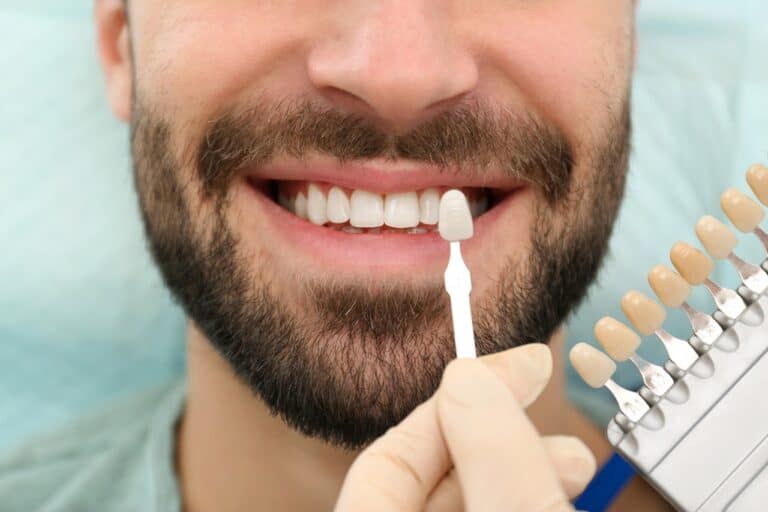
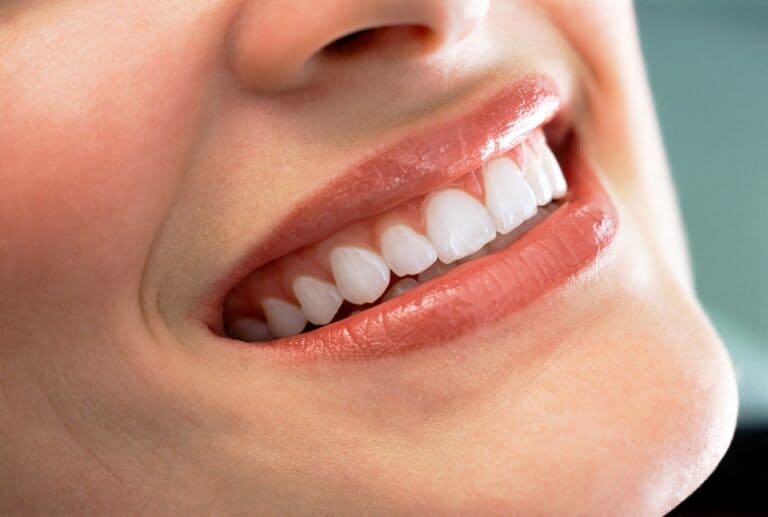
Veneers create the visual effect of healthy, straight, and bright teeth. These thin porcelain or composite shells bond to the front of your natural teeth.
Function and Purpose of Veneers
Veneers cover various cosmetic concerns such as chips, stains, or uneven shapes. They provide a long-lasting solution for those looking to enhance their smile without major dental surgery.
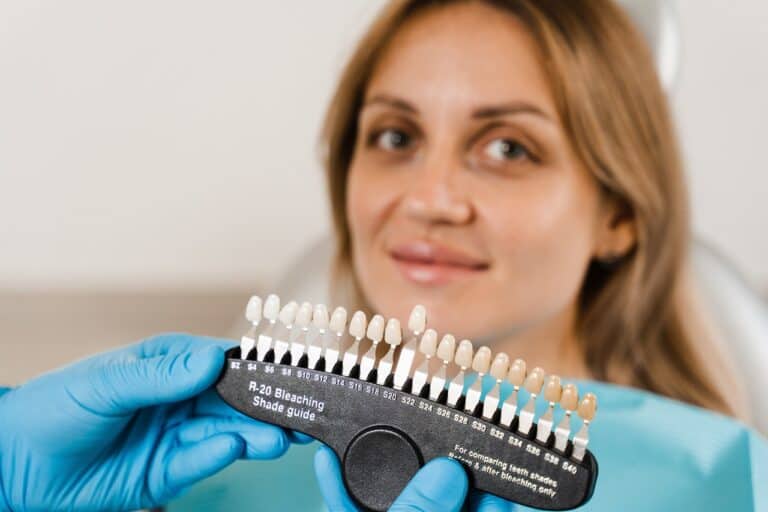
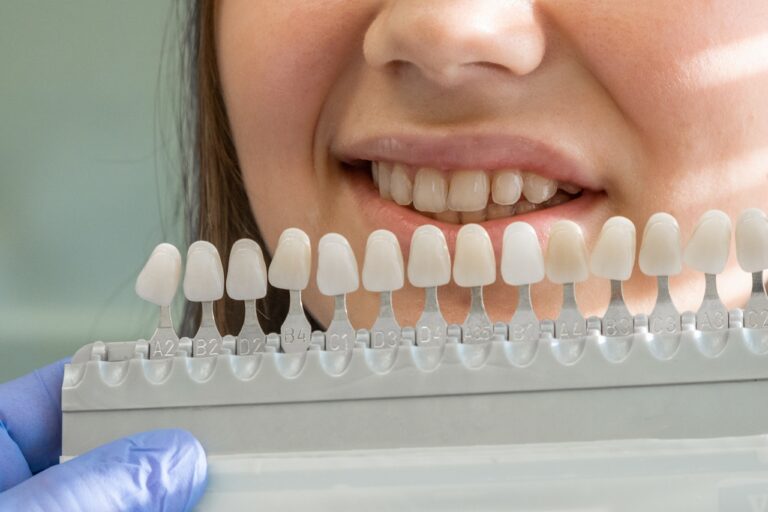
Our team customizes each veneer to match the shape, color, and size of your natural teeth. They improve the appearance of existing teeth but do not restore function the way implants or bridges can.
Why Veneers Cannot Replace Missing Teeth
The structure of a veneer depends on having a real tooth as a foundation. Without this base, veneers have nothing to attach to.
The Role of a Tooth Foundation
A dental veneer works like a durable cosmetic shell, which sticks to the front of an existing tooth. If a tooth is missing, there is no surface for the veneer to bond with, and therefore, it cannot fill the gap.
Differences Between Veneers and Artificial Tooth Restorations
Unlike dental implants or bridges, which create new chewing surfaces and roots (or support new artificial teeth), veneers serve as a cosmetic improvement only. Veneers neither replace the function of missing teeth nor correct the underlying bone loss that can occur after tooth loss.
Solutions for Missing Teeth: What You Can Do
When you have missing teeth, we typically offer several restoration options, each with strengths and considerations. The goal is to restore full function, protect your oral health, and offer a natural-looking smile.
The main alternatives include:
- Dental Implants: Implants act as artificial tooth roots. A dentist surgically places a titanium post into your jawbone, which supports a crown that looks and acts like your own tooth.
- Dental Bridges: A bridge fills the gap using crowns attached to neighboring teeth, with a false tooth in the middle. Bridges work well if the teeth on either side of the gap remain healthy.
- Partial Dentures: These removable devices replace missing teeth for those missing several teeth in a row. Partial dentures fit over your gums and anchor to nearby natural teeth.
- Combination Plans: Sometimes, our doctor recommends a treatment that uses both dental implants or bridges alongside veneers on adjacent teeth, creating a seamless, attractive smile.
Each solution has unique benefits and may be more or less suitable, depending on your individual mouth structure and goals. Our consultation process helps you choose what fits your needs best.
How Veneers Enhance Smiles With Adjacent Missing Teeth
If you have a missing tooth but healthy teeth next to the gap, veneers can still play an important role in a beautiful result.
When we design a cosmetic plan, veneers can cover chipped, misshapen, or discolored teeth that sit beside a bridge, implant, or partial denture. This approach creates a smooth, even look.
We find that patients often benefit from addressing both their missing tooth and existing teeth, in tandem or stages, for the most natural cosmetic outcome.
The Process: Replacing a Missing Tooth and Enhancing With Veneers
Our dentists map out a multi-step plan if you want both a gap replacement and cosmetic veneers. This plan often involves two phases: first, restoring the missing tooth, then customizing and placing veneers on the surrounding teeth.
Step-by-Step Outline
Before anything else, our team completes a thorough exam to make sure your mouth is healthy and you have strong bone and gum support.
Once we restore the missing tooth (using an implant, bridge, or similar method), we can focus on cosmetic improvements. Veneers are then designed to match the new artificial tooth and blend seamlessly with the rest of your smile.
This approach keeps your mouth healthy and creates a smile you can feel proud of.
Factors That Affect Your Treatment Options
Your mouth is unique, and different details shape the best approach for you. We look at all factors during your consultation and recommend options that match your current oral health and appearance goals.
Key Factors Include
- Number and location of missing teeth: More missing teeth usually require a more complex solution than a single gap.
- Bone health and gum strength: Implants require good jawbone quality. Bridges and partial dentures need healthy support from nearby teeth and gum tissue.
- Condition of adjacent teeth: If neighboring teeth have chips, stains, or other imperfections, we may recommend veneers or crowns for a more consistent look.
- Cosmetic priorities: Your goals, such as tooth size, color, and alignment, help guide what combination of treatments we suggest.
Our dentist explains each step and listens to your concerns so you feel comfortable and confident moving forward.
Who Can Get Veneers With a Missing Tooth?
Veneers only work if you have existing teeth to cover. If you want veneers but have one or more gaps, our doctor assesses if you can include veneers after you replace the missing tooth.
Candidacy Checklist
Our dental team looks for the following factors to determine if you qualify for veneers:
- Your remaining teeth are healthy, strong, and free of advanced decay or disease.
- Your gums do not show signs of active infection or untreated gum disease, eliminating the risks of placing veneers on unhealthy gums and ensuring a safe foundation for your new smile.
- Your bite and jaw function well (sometimes misaligned bites affect veneer results).
- You have realistic expectations about how veneers can enhance your smile.
- You already have, or plan to receive, an implant, bridge, or partial denture to fill any gaps.
If you are missing all your front teeth, veneers will not be an option until you replace the missing teeth with another restoration.
Options for Patients With Multiple Missing Teeth
Patients often worry that missing more than one tooth rules out cosmetic treatments. In reality, our office crafts full-mouth solutions that address both form and function.
Full Smile Makeover Approach
Our surgeon creates full smile makeover plans for those with several missing teeth. This often involves using a combination of dental implants or bridges for tooth replacement, alongside veneers or crowns on the remaining natural teeth.
Some patients need partial dentures if many teeth are lost. Others qualify for implant-supported bridges. In these situations, we always strive for an outcome that looks and feels natural.
What to Expect During Treatment
We begin by analyzing the entire mouth, spine, and bite, looking for ways to optimize both comfort and appearance. We then discuss which blend of implant placement, bridges, partial dentures, or veneer placement will give you the outcome you want.
A full smile solution may take several visits, as bone healing and restoration phases each require their own time and preparation. Still, most patients feel the results are worth the patience.
Comparing Veneers With Other Cosmetic Solutions
You may wonder how veneers stack up against other popular aesthetic treatments for missing or damaged teeth. The right choice depends on your needs, and our surgeon walks you through all the details.
Veneers Compared to Crowns
Both veneers and crowns improve the appearance of visible teeth. However, crowns cover the entire tooth and provide more strength and protection, which may help in cases of significant structural damage. Veneers only cover the front of the tooth and work best on teeth that are healthy and need cosmetic enhancement rather than structural repair.
Veneers Versus Dental Implants
Dental implants replace both the root and the visible part of a missing tooth. Veneers, on the other hand, need a healthy tooth as an anchor. Implants also help maintain jawbone strength, which veneers do not address. Implants serve both functional and cosmetic roles, while veneers focus on aesthetics.
The Role of Bridges
Bridges work by filling one or more gaps between natural teeth, using crowns attached to the healthy teeth on each side. We may recommend veneers for those teeth alongside a bridge, to ensure your entire smile shares the same shade and symmetry.
Our team reviews all these options in detail, tailoring the plan to your oral landscape and personal wishes.
Steps To Prepare for a Combined Treatment Plan
If you have missing teeth and want a brighter smile, you might need a blend of restorative and cosmetic steps.
Our team makes sure you understand all aspects of the process, so you know what to expect.
A typical plan often looks like this:
- Complete a dental exam: We check gum health, bone structure, and your overall oral condition before recommending any treatment.
- Restore missing tooth or teeth: This may involve placing a dental implant, fitting a bridge, or making a partial denture.
- Design and place veneers: With all gaps filled, we match the size, shape, and shade of your new veneers to both your natural and artificial teeth.
- Ongoing oral care guidance: We explain how to keep your restorations, implants, and veneers healthy through good hygiene and regular dental visits.
Planning each phase carefully gives you the best chance of a smile that not only looks strong and healthy but feels natural as well.
Costs, Insurance, and Timeline Considerations
Cost always plays a role in planning dental work. Every patient’s treatment plan has unique steps and varying timelines.
How Fees and Coverage Work
The cost of veneers, implants, or bridges will reflect the complexity of your mouth’s needs. Cosmetic work like veneers often does not have insurance coverage, but functional restorations such as bridges or implants may receive partial benefits, depending on your plan.
If you have questions about dental insurance or payment options, our staff at Long Island Veneers can walk you through each step.
Timeline for Full Restoration
Simple veneer placement, if your teeth are already healthy, can happen over two to three visits. Adding implants or bridges requires more time. Dental implants, in particular, need several months from surgery to the final crown, as the bone heals and fuses to the post.
We communicate each step so you understand the schedule clearly, with no surprises.
Common Myths and Concerns About Veneers and Missing Teeth
Several myths surround veneers and their ability to help with missing teeth. Clearing them up helps you make confident decisions about your care.
- Myth: Veneers fill dental gaps. Veneers do not fill empty spaces left by missing teeth. They only improve the look of existing teeth.
- Myth: Veneers can go on gums directly. The process needs a natural tooth underneath. Placing a veneer on bare gum tissue is not possible.
- Myth: Only one solution will work if you have gaps. You may benefit from a combination plan, such as dental implants plus veneers for a total smile makeover.
If you have questions about rumor versus reality, ask our surgeon at your consultation, and we will provide clarity based on your unique needs.

Choosing the Right Provider for Veneers and Smile Restoration
Your choice of dentist or cosmetic surgeon greatly affects your outcome. A skilled dentist at our Long Island office can help you balance function, comfort, and aesthetics.
What to Look For in a Cosmetic Dental Practice
Seek a dental team with experience in both cosmetic enhancements and full-mouth reconstructions. Look for clear communication, attention to your concerns, and a detailed portfolio of before-and-after results. Value a practice that takes time to explain all steps, listens to your goals, and tailors a plan just for you.
At Long Island Veneers, we believe in open conversation, individualized care, and results designed to let you smile with confidence.
Restore Your Smile: Getting Started With the Right Plan
A gap in your teeth can cause both cosmetic frustration and functional challenges. While veneers alone cannot fill missing spaces, our team excels at creating solutions that replace missing teeth and achieve the bright, natural appearance you desire.
Combining restorative treatments such as implants or bridges with veneers for neighboring teeth allows you to restore your smile’s look and function. You will work closely with our cosmetic surgeon to develop a step-by-step plan that matches your needs, wants, and budget.
If you feel ready to explore your options, contact Long Island Veneers to schedule a personalized consultation. Our friendly staff will answer your questions and help you choose the best path for a healthier, more confident smile.